Business in the Front Party in the Back Meme Meaning
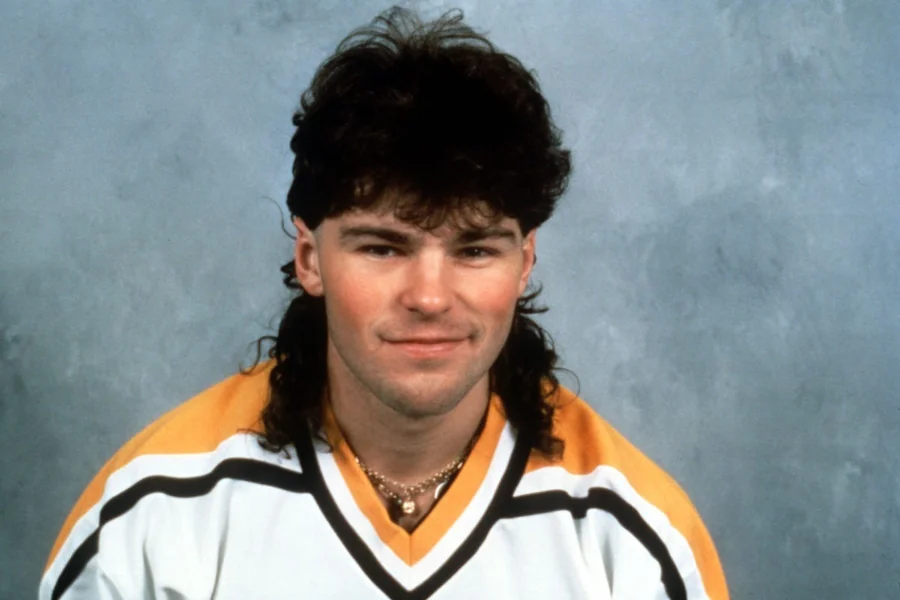
The business in the front party in the back meme has become a recognizable phrase across internet culture. Many people encounter it in social media posts, humorous images, or conversations about fashion and personality. At its core, the phrase refers to the classic mullet hairstyle, which features short hair in the front and long hair in the back. Over time, the idea evolved beyond hairstyles and became a popular meme used to describe anything that combines a serious appearance with a playful or unexpected side.
Memes are an important part of online communication today. They allow people to share humor, cultural references, and relatable ideas quickly. The business in the front party in the back meme is a perfect example of how a simple phrase can grow into a widely recognized joke that applies to many situations.
Understanding where the meme comes from and why it resonates with people helps explain its continued popularity. From its connection to the mullet haircut to its modern uses in internet humor, the phrase has taken on a life of its own.
Origin of the Phrase
The phrase “business in the front, party in the back” originally described the mullet haircut. The hairstyle became widely known during the 1980s and early 1990s. It featured neatly trimmed hair at the front and sides, while the hair at the back remained long.
This unique style created a contrast between professional and casual looks. The front appeared clean and respectable, while the back had a more rebellious or relaxed appearance. Because of this contrast, the phrase was created to humorously describe the hairstyle.
Musicians, athletes, and actors helped popularize the mullet during that time. The haircut became associated with bold personalities and a carefree attitude. Eventually, the phrase became widely known in pop culture.
As the internet grew and meme culture developed, the phrase found a new audience online. People began using it not just to describe haircuts but also to describe any situation where something has a serious exterior but a fun or unexpected twist.
How the Meme Spread Online
Internet memes often evolve from everyday phrases or cultural references. The business in the front party in the back meme gained new popularity when people started sharing humorous images that matched the phrase.
For example, someone might post a picture of an object that looks ordinary from the front but reveals something funny or unusual from the back. These types of images perfectly match the idea behind the phrase.
Social media platforms helped the meme spread rapidly. Sites like Reddit, Twitter, Instagram, and TikTok allowed users to share creative variations of the joke. Each new post introduced the phrase to a wider audience.
The meme also became popular because it is flexible. It can apply to hairstyles, clothing designs, vehicles, animals, or even personality traits. Anything with a contrast between serious and playful can fit the joke.
This versatility helped the meme remain relevant long after the mullet hairstyle faded from mainstream fashion.
The Cultural Meaning Behind the Meme
One reason the meme resonates with people is that it reflects a common human experience. Many people present a professional or serious side in certain situations while showing a more relaxed personality in others.
The phrase humorously captures that dual nature. It suggests that someone can balance responsibility and fun at the same time.
In modern culture, this idea appears in many areas of life. A person may dress professionally at work but enjoy hobbies, parties, or creative activities outside of work hours. The meme highlights this contrast in a playful way.
Because of this deeper meaning, the phrase continues to be used beyond its original connection to hairstyles. It has become a lighthearted way to describe balance between structure and spontaneity.
Examples of the Meme in Everyday Humor
One of the reasons the meme is so popular is its adaptability. People use it in many different humorous contexts.
A common example involves clothing. Some shirts or jackets may look formal from the front but have colorful or humorous designs on the back. When someone posts an image like this, the phrase perfectly captures the joke.
Another example involves vehicles. A car might appear ordinary from the front but have unusual decorations or modifications on the back. This contrast fits the meme’s concept.
Even animals sometimes become part of the joke. Photos of pets with funny fur patterns or hairstyles are often captioned with the phrase.
The meme also appears in personality descriptions. Someone might say they are “business in the front, party in the back” to describe a balanced lifestyle that mixes professionalism with fun.
These creative uses keep the meme fresh and entertaining.
Why the Meme Remains Popular
Many internet trends disappear quickly, but some remain popular for years. The business in the front party in the back meme continues to appear in online conversations because it is simple, relatable, and flexible.
The humor is easy to understand. Anyone can recognize the contrast between seriousness and playfulness. This makes the meme accessible to a wide audience.
Another reason for its longevity is nostalgia. The mullet hairstyle has experienced periodic comebacks in fashion and pop culture. Each time the hairstyle becomes trendy again, the phrase returns to public attention.
The meme also benefits from its adaptability. New variations continue to appear as people apply the concept to different situations.
Because it is both humorous and versatile, the meme continues to thrive in online communities.
The Mullet Comeback and Meme Revival
In recent years, the mullet hairstyle has surprisingly returned to fashion. Some athletes, musicians, and social media personalities have embraced the look again.
This revival has helped bring the original phrase back into conversations. Many people now use the meme both ironically and affectionately.
Younger generations who did not experience the hairstyle during its original popularity have discovered it through internet humor. This has given the meme a new audience.
The combination of nostalgia and modern creativity keeps the phrase relevant in digital culture.
How Memes Shape Online Communication
Memes like this one play an important role in how people communicate online. They allow users to express ideas quickly and humorously using shared cultural references.
Instead of writing a long explanation, someone can post an image or short caption that instantly conveys a joke or feeling.
The business in the front party in the back meme is a perfect example of this kind of communication. With just a few words, it creates a clear mental image and a humorous contrast.
This efficiency is one reason memes continue to dominate social media conversations.
Final Thought
The business in the front party in the back meme started as a humorous way to describe the mullet haircut, but it has grown into a widely recognized part of internet culture. Its clever contrast between professionalism and fun makes it easy for people to relate to.
Over time, the phrase expanded beyond hairstyles to describe many different situations that combine seriousness with playfulness. From clothing and vehicles to personalities and pets, the meme continues to appear in creative forms across social media.
Its lasting popularity shows how simple ideas can evolve into powerful cultural symbols. As long as people enjoy humor that highlights life’s contrasts, the business in the front party in the back meme will likely remain part of internet culture.
FAQs
What does the business in the front party in the back meme mean?
It refers to something that appears serious or professional in the front but shows a fun or unexpected side in the back.
Where did the phrase originate?
The phrase originally described the mullet hairstyle, which has short hair in the front and long hair in the back.
Why is the meme popular online?
It is popular because it humorously represents contrasts between seriousness and fun in many everyday situations.
Is the meme only about hairstyles?
No, the meme can apply to many things such as clothing, vehicles, personalities, and humorous images.
Why has the mullet hairstyle become popular again?
Fashion trends often return over time, and social media has helped bring attention back to retro styles like the mullet.