NASCLA Contractors Guide to Business Law and Project Management
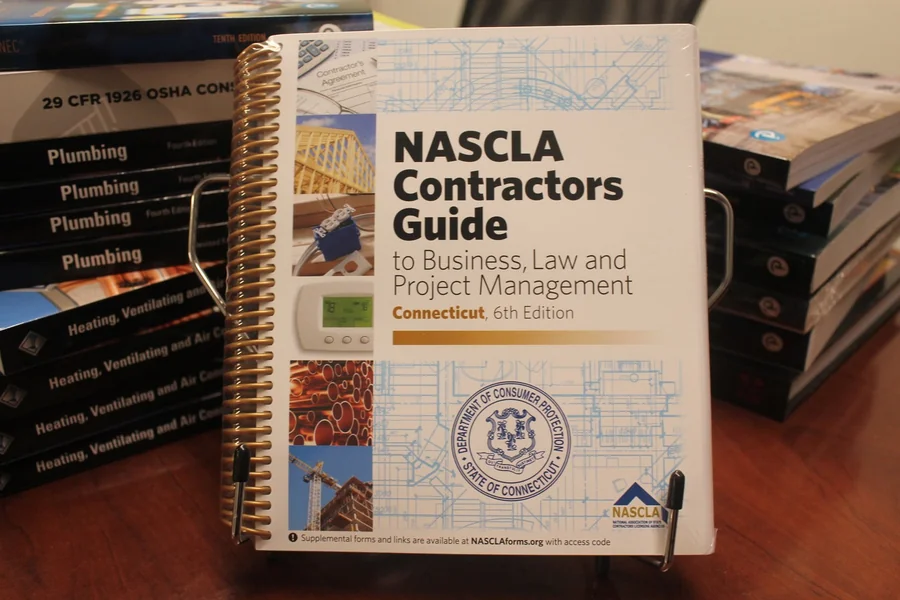
One of the most significant sources of information to those contractors who would have to undertake licensing examinations in the construction industry is the nascla contractors guide to business law and project management. The NASCLA exam system is used by many states in the United States to determine whether the contractors are knowledgeable of the legal and managerial obligations of operating construction projects. The guide is a learning tool as well as a professional reference that assists the contractors to acquire the nature of business law, project planning and compliance to the regulations.
Contractors are also involved in the process of construction of structures, budgetary management, on-site supervisory role, legal compliance, and safety at workplaces. Due to these roles, licensing bodies expect contractors to reveal expertise in areas other than methods of construction. They also need to be aware of contracts, financial management, scheduling and risk control.
These topics are combined in the NASCLA guide in a format that is organized in a manner that the contractors can acquire the basics of running a construction enterprise. Through the material, professionals will have a better insight on how a construction project is handled throughout its life cycle.
What Is the NASCLA Contractors Guide
The NASCLA Contractors Guide to Business Law and Project Management is a popular textbook that is being used to prepare to take the licensing examinations in contracting. NASCLA is an abbreviation that means National Association of State Contractors Licensing Agencies. This is an organization in collaboration with licensing boards to develop a standardized testing and educational contents on the construction industry.
The manual is more business and legal oriented to contracting and not on the technical construction procedures. It educates the contractors on how to handle projects in a responsible manner and working within the law.
NASCLA exam is also recognized in many states and is used in the licensing of contractors. Due to this fact, the guide has been regarded as a standard guide to be used by the contractors in the country.
The book is commonly used by professionals even in cases when the contractor is not ready to take licensing exams. It is a source of valuable information on how to run construction companies, how to deal with contracts, and how to be in compliance with the laws.
Why Business Law Matters for Contractors
A lot of legal responsibilities are associated with construction projects. The contractors are required to abide by building regulations, acquire building permits, sign binding contracts, and also to ensure that all the work is up to standard.
Business law assists the contractors to be aware of their rights and responsibilities when dealing with their clients, subcontractors, suppliers, and government agencies.
Construction projects involve significant amounts of contracts. A distinct contract gives specifications of the scope of works, payment, time schedule of the project and duties of each party. The knowledge of the contracts aids the contractors to prevent conflicts and secure their enterprises.
Liability and legal risk are other issues that the guide instructs contractors on. When a project does not comply with the safety standards or with the contractual requirements, there may be legal implications. The awareness of the law assists the contractors to minimize chances of being sued and incurring losses.
Being educated on the legal issues of the construction management, the contractors will be able to establish more efficient and professional relations with the clients.
Project Management Principles in Construction
Effective construction projects are to be planned and coordinated. Project management is aimed at making certain that all procedures of a project are executed effectively and in time.
The NASCLA guide presents the contractors to basic concepts of project management like scheduling, budgeting, and allocation of resources. These competencies assist contractors to handle multifaceted projects that have more than one worker and subcontractors.
One of the most significant aspects of project management is scheduling. Contractors have to make preparations on every stage of construction to make sure that raw materials, labor and equipment are on hand at the appropriate time.
Budget management is also critical. The level of construction projects is usually very large in terms of monetary expenditure, and therefore the contractor should watch the costs closely.
The project management principles can be used to ensure that the contractors are able to minimize the delays, manage costs and uphold quality standards in the project.
Financial Management for Contractors
Being in a construction business involves good financial management. Contractors have to control the cash flow, monitor the expenses and make sure the projects are profitable.
The manual discusses the manner in which the contractors should calculate the costs of the projects. This involves the calculation of labor prices, material prices, and use of equipment and overheads.
Proper cost estimation assists the contractors to give out competitive bids and at the same time make a profit.
Financial management is also concerned with tracking payments and invoices. Contractors have the responsibility of ensuring that the clients make payments as agreed and subcontractors receive their payments in time.
Knowledge of financial management enables the contractors to have steady business activities and prevent financial issues.
Risk Management and Safety
The construction sites may pose numerous risks. Employees can encounter danger in the form of heavy machinery, heights, electric systems and other risky conditions.
The NASCLA guide includes risk management as a significant aspect of contractors as the ones in charge of safe work environments.
The guide focuses on the need to adhere to safety rules and practice proper safety measures. This involves the provision of safeguarding gear, safety training as well as ensuring that work places are well-regulated.
Another aspect that the contractors need to take into account is insurance cover and liability cover. Insurance covers assist a business in mitigating the risks of financial losses due to accidents, damage of property or as a result of a lawsuit.
Contractors are able to safeguard their workers and their companies by learning the risk management strategies.
Licensing and Regulatory Compliance
In most states, licensing is one of the requirements of contractors. Examining boards are also employed by the licensing boards to make sure that the contractor is aware of construction practices and his/her business obligations.
NASCLA exam enables the contractors to be licensed in various states which are part of the program. This will help the contractors to working across state lines.
The guide assists the contractors to prepare towards the exam as it addresses issues that are likely to be in the test.
Another major focus is regulatory compliance. The building codes, environmental and labor laws should be adhered to by the contractors. Violation of these rules may attract fines or suspension of the license.
Through the guide, the contractors learn how to conduct their activities in the construction industry in a legal and professional way.
Leadership and Communication Skills
The construction projects imply collaboration between contractors, engineers, architects, clients, and workers. A good communication and leadership skills will help to ensure that projects are in check.
The NASCLA guide emphasizes the need to have clear communication among all the stakeholders in a project. Contractors should justify plans, update and solve issues effectively.
Leadership skills will assist the contractors to motivate employees and ensure they remain productive in the work areas.
Contractors are able to communicate effectively and this makes projects successful and less misconstrued.
Preparing for the NASCLA Exam
Many contractors use the guide as a primary study resource when preparing for the NASCLA exam. The test evaluates the understanding of business management, legal provisions and project management.
The best way to be prepared is to read the guide and familiarize oneself with every theme within the book.
Study groups and practice tests can be used to allow the candidates to go through the key concepts and test their understanding as well.
Exam is a sign that a contractor is aware of the duties of dealing with the work on construction projects and running a contracting business.
This success may create new opportunities and bigger projects.
Final Thought
Nascla contractors guide to business law and project management is a vital resource to contractors desiring to have successful and lawful businesses. It is also very informative on the roles of dealing with construction management and working under regulating frameworks.
Contractors acquire knowledge on how to conduct professional construction business by studying the business law, financial management, project planning, and safety practices.
The guide is convenient in terms of the preparation of licensing tests or enhancing business skills, and it provides practical information that would assist in achieving a long-term success in the construction industry.
This guide is a significant step towards understanding the principles that a contractor should consider in case he or she wants to develop his or her career and handle any projects.
FAQs
What is the NASCLA Contractors Guide to Business Law and Project Management?
It is a study resource used by contractors to learn about business law, project management, and construction industry regulations.
Who should use the NASCLA guide?
Contractors preparing for licensing exams or professionals who want to improve their construction management knowledge can benefit from the guide.
What topics are covered in the NASCLA guide?
The guide covers business law, financial management, project planning, safety practices, contracts, and regulatory compliance.
Is the guide required for the NASCLA exam?
Many exam candidates use the guide because it contains important topics that appear on the contractor licensing exam.
Why is project management important for contractors?
Project management helps contractors organize schedules, control costs, coordinate workers, and complete projects efficiently.