

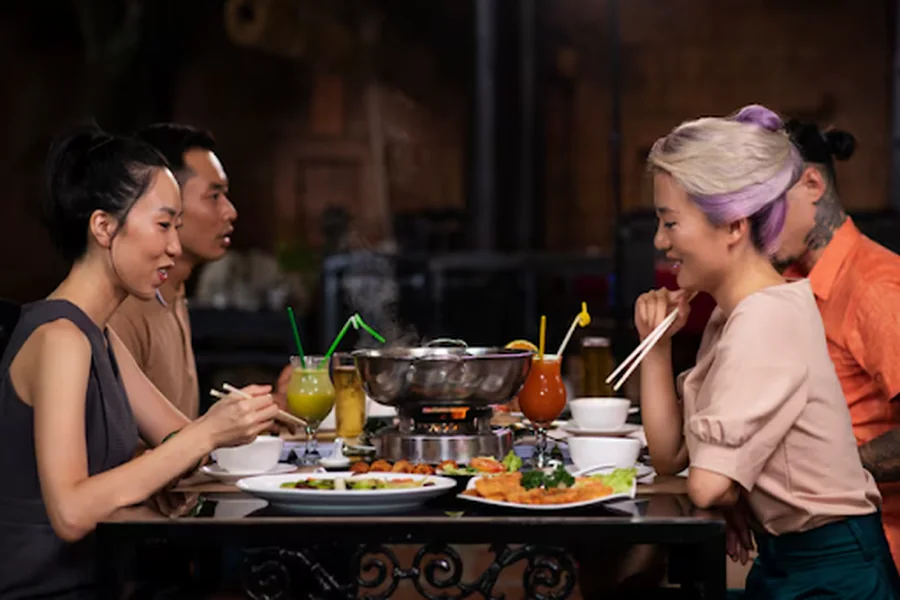
Amid the vibrant culinary landscape of Singapore, Cantonese cuisine holds a distinguished position, celebrated for its refinement, balance, and deep cultural roots. Known for its delicate flavours and meticulous preparation methods, it continues to attract both locals and international diners. A standout example within this dining scene is the Xin Cuisine hotel Chinese restaurant, which reflects the elegance and authenticity of traditional Cantonese cooking while embracing modern culinary expectations.
As diners explore Cantonese restaurants across Singapore, they discover a cuisine that successfully bridges heritage and innovation, offering experiences that are both comforting and sophisticated.
The Essence of Cantonese Cuisine
Cantonese cuisine originates from Guangdong Province in Southern China and is widely respected for its emphasis on freshness and natural taste. Unlike heavily spiced regional cuisines, Cantonese cooking focuses on subtle seasoning that enhances rather than overpowers the ingredients.
Cooking techniques such as steaming, stir-frying, roasting, and braising are commonly used to preserve the natural textures and flavours of food. This careful approach allows each ingredient to maintain its identity while contributing to a harmonious overall dish. The result is a cuisine that is light yet deeply satisfying, appealing to a wide range of palates.
Cultural Significance and Dining Atmosphere
Dining at a Cantonese restaurant in Singapore is not just about food; it is an immersive cultural experience. The ambience of these establishments often reflects traditional Southern Chinese design, featuring elegant interiors, wooden accents, and refined decorative elements.
These carefully crafted environments enhance the dining experience by creating a sense of occasion and tradition. In Cantonese culture, meals are deeply social events that symbolise unity, respect, and togetherness. As a result, sharing food at the table is an essential part of the experience, reinforcing bonds between family and friends.
Popular Cantonese Dishes
Singapore’s Cantonese dining scene offers a wide variety of signature dishes that showcase the depth and versatility of the cuisine. Dim sum remains one of the most iconic elements, consisting of an assortment of small, handcrafted dishes served in bamboo baskets.
Popular dim sum items include har gao (shrimp dumplings), siu mai (pork dumplings), and char siu bao (barbecued pork buns). Each item is carefully prepared to balance texture, flavour, and presentation.
Beyond dim sum, Cantonese restaurants also serve a range of classic dishes such as roasted Peking duck, braised abalone, and clay pot rice. These dishes highlight the cuisine’s ability to deliver both comfort and culinary sophistication.
Emphasis on Fresh Ingredients
Freshness is a cornerstone of Cantonese cooking. Ingredients are carefully selected to ensure quality and natural flavour, with a strong focus on seafood, poultry, and seasonal vegetables.
Seafood plays a particularly important role, with dishes such as steamed fish with soy sauce or lobster with ginger and spring onion being highly popular. The simplicity of preparation allows the natural sweetness of the seafood to stand out, reflecting the cuisine’s philosophy of enhancing rather than masking flavour.
This commitment to freshness ensures that every dish is both nutritious and flavourful, maintaining the integrity of traditional Cantonese culinary principles.
Innovative Taste with Tradition
While rooted in tradition, Cantonese cuisine in Singapore has evolved to incorporate modern influences and creative interpretations. Many chefs now experiment with presentation and ingredient combinations while still respecting the foundational techniques of the cuisine.
This balance between tradition and innovation can be seen in contemporary dim sum variations, fusion-style dishes, and refined plating techniques. These modern adaptations help keep the cuisine relevant to younger generations and global diners while preserving its cultural identity.
Sourcing of Ingredients
The authenticity of Cantonese cuisine relies heavily on the quality of its ingredients. Many restaurants in Singapore prioritise sourcing from trusted suppliers, ensuring that meats, seafood, and vegetables meet high standards of freshness and sustainability.
Organic and ethically sourced ingredients are increasingly being used, reflecting a growing awareness of environmental responsibility within the culinary industry. This careful sourcing process ensures that each dish maintains its authentic taste and nutritional value.
Expertly Crafted Menus
Cantonese chefs are often regarded as highly skilled artisans, trained over many years to master the precision required in this cuisine. Their expertise is reflected in carefully curated menus that highlight the balance of flavours and textures characteristic of Cantonese cooking.
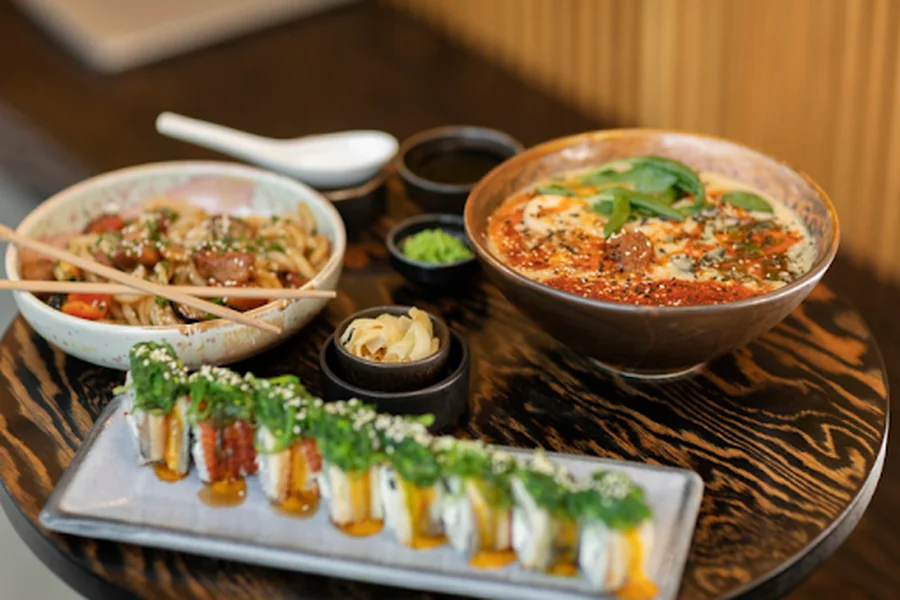
Every dish is thoughtfully prepared, from the seasoning of soups to the delicate folding of dim sum. This attention to detail ensures consistency, quality, and an elevated dining experience for guests.
The Art of Presentation
Presentation is an essential aspect of Cantonese dining, where visual appeal is considered just as important as taste. Dishes are often arranged with precision, highlighting colour contrast, texture, and composition.
This artistic approach reflects respect for both the ingredients and the diners. A beautifully presented dish enhances anticipation and enjoyment, transforming each meal into a sensory experience that engages both sight and taste.
Cantonese Desserts
Cantonese cuisine concludes with a selection of light and refined desserts that provide a gentle finish to the meal. Traditional options include egg tarts with flaky pastry, silky mango pudding, and warm red bean soup.
These desserts are typically subtle in sweetness, offering a balanced contrast to the savoury dishes that precede them. Their simplicity reflects the same philosophy of harmony and restraint found throughout Cantonese cooking.
Vegetarian Cantonese Delights
Cantonese cuisine is highly adaptable, offering a variety of vegetarian dishes that maintain depth of flavour and texture. Ingredients such as tofu, mushrooms, and seasonal vegetables are commonly used to create satisfying plant-based meals.
Dishes like braised tofu with mushrooms or stir-fried seasonal greens demonstrate how vegetarian cooking can still be rich, flavourful, and culturally authentic. This inclusivity ensures that Cantonese dining caters to a wide range of dietary preferences.
The Role of Tea
Tea is an integral part of Cantonese dining culture, serving both practical and ceremonial purposes. It complements the flavours of the meal while also aiding digestion.
Common tea varieties include jasmine, oolong, and pu-erh, each offering distinct aromas and benefits. The ritual of pouring and sharing tea at the table reflects hospitality, respect, and tradition, making it an essential part of the overall dining experience.
Acknowledging Dietary Preferences
Modern Cantonese restaurants in Singapore are increasingly attentive to dietary needs and preferences. Whether accommodating allergies, health requirements, or personal choices, chefs are often able to adjust dishes without compromising flavour or quality.
This flexibility demonstrates the adaptability of Cantonese cuisine, ensuring that it remains inclusive and accessible to a diverse range of diners.
Cantonese Cuisine as a Culinary Journey
Dining at a Cantonese restaurant is more than just enjoying a meal; it is an exploration of history, culture, and craftsmanship. Each dish reflects centuries of culinary tradition, refined through generations of expertise and innovation.
In Singapore, Cantonese restaurants continue to preserve this heritage while embracing modern influences, creating dining experiences that are both meaningful and memorable. From carefully prepared dim sum to elegantly presented main courses, every element contributes to a journey through one of the world’s most respected cuisines.
