

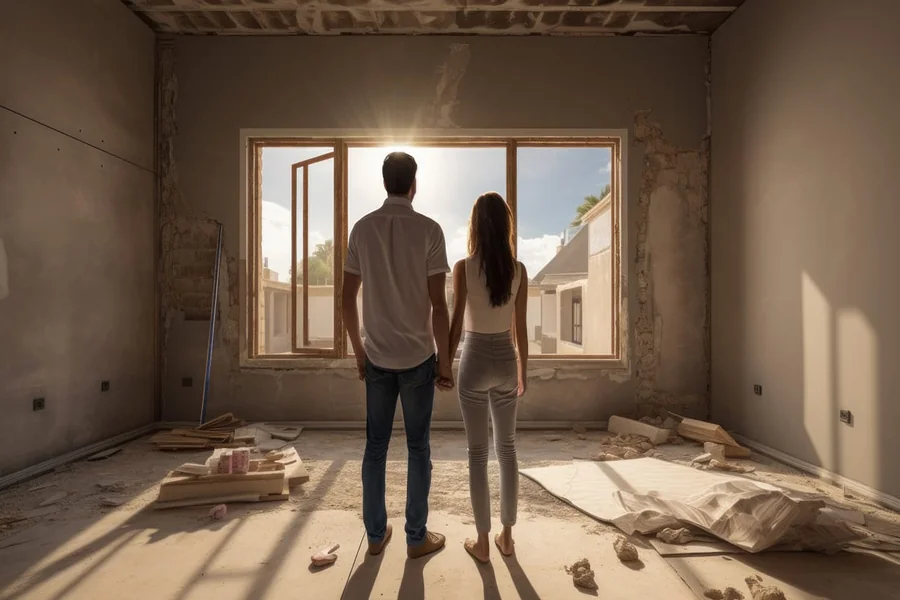
Remodeling a home in Arizona comes with challenges that go beyond style and layout. The climate, materials, and design choices all play a direct role in how comfortable, efficient, and durable a home will be over time. What works well in other regions can quickly become a problem under constant heat and sun exposure. That’s why practical decisions tend to outperform trend-driven upgrades in this environment. If the goal is to improve both comfort and long-term value, isn’t it worth focusing on what actually holds up rather than what simply looks good?
Why Remodeling in Arizona Isn’t Like Anywhere Else
Remodeling in Arizona comes with a very specific set of challenges that don’t show up in milder climates. Extreme heat and constant sun exposure affect everything from how materials age to how comfortable your home feels during the day. Even well-designed spaces can become uncomfortable if they’re not planned with temperature control in mind. Sun-facing surfaces take the biggest hit, which means design decisions need to be more intentional from the start. Ignoring these factors usually leads to higher energy bills and faster wear and tear.
Beyond heat, Arizona homes also deal with dust, monsoon storms, and noticeable temperature swings between day and night. These conditions can stress materials, especially on the exterior, and expose weaknesses in construction or design. Water use is another key consideration, especially when it comes to landscaping and plumbing upgrades. Local regulations and HOA guidelines can also influence what you can and can’t do, particularly with exterior changes, requires exterior carpentry. All of this means remodeling here requires a more practical, climate-aware approach.
What Works
Let’s take a look at some ideas that actually work in Arizona’s climate.
Design Choices That Make Homes Feel Cooler and More Livable
Design plays a major role in how a home handles heat, and certain choices consistently make a difference. Open layouts improve airflow and allow cool air to circulate more effectively throughout the house. When rooms are connected rather than boxed in, it’s easier to maintain a stable indoor temperature. At the same time, large, open spaces need to be balanced with proper shading to avoid overheating. Thoughtful layout planning can reduce reliance on constant cooling.
Indoor–outdoor living is another approach that works particularly well in Arizona. Covered patios, shaded courtyards, and transitional spaces extend the usable area of a home without exposing it fully to the elements. These areas can stay comfortable even during warmer months if they’re properly designed. Light, reflective color palettes also help reduce heat absorption both inside and outside the home. Combined, these design choices create spaces that feel more comfortable without constantly pushing your cooling system to its limits.
Materials That Can Handle the Arizona Climate
Material selection is one of the most important decisions in any Arizona remodel. Flooring like tile and stone performs well because it stays relatively cool and holds up under constant heat. In contrast, some materials may warp, fade, or degrade more quickly when exposed to intense sunlight. Choosing durable options upfront reduces long-term maintenance and replacement costs. It also helps preserve the overall look of your home over time.
Exterior materials need to be just as resilient as interior ones. Finishes that resist cracking and fading tend to perform better under constant sun exposure. Windows with proper heat and UV protection can significantly reduce indoor temperatures without sacrificing natural light. Roofing is another critical element, as it takes direct exposure for most of the day. When materials are selected with the climate in mind, the entire home performs better and lasts longer.
Kitchens and Bathrooms That Hold Up and Add Value
Kitchens and bathrooms are some of the most frequently used spaces in any home, so durability matters as much as design. Whether you’re planning a full kitchen remodel or making smaller updates, surfaces that can handle heat, moisture, and daily wear tend to perform better over time. Materials that are easy to clean and maintain also make a noticeable difference in everyday use. These practical choices often outlast trend-driven designs that may look good initially but don’t hold up. Function should always guide the final decision.
Ventilation is another important factor, especially in kitchens where heat can build up quickly. Good airflow helps maintain comfort and prevents excess strain on cooling systems. Water-efficient fixtures are also a smart choice, particularly in a region where water conservation is important. Layout matters just as much as materials, with well-organized spaces improving usability and long-term value. When these elements come together, kitchens and bathrooms become both functional and appealing.
What Doesn’t Work
And now let’s consider some ideas that you should probably avoid.
Designs That Ignore the Arizona Heat
Some design choices may look appealing but create long-term problems in Arizona’s climate. Large, unshaded windows can bring in excessive heat, making indoor spaces harder to cool. Without proper orientation or shading, they can turn rooms into heat traps during the hottest parts of the day. Dark exterior colors may look striking, but they absorb more heat and increase indoor temperatures. These decisions often lead to higher cooling costs and reduced comfort.
Outdoor spaces can also fall short if they’re not designed with sun protection in mind. Areas without shade quickly become unusable during much of the year. Similarly, overly enclosed layouts can prevent airflow and trap heat indoors. Homes that don’t allow air to move naturally tend to feel warmer and rely more on mechanical cooling. These design mistakes are common but can be avoided with better planning.
Materials That Look Good but Don’t Last
Some materials may seem like a good choice at first but struggle under Arizona’s conditions. Flooring that isn’t suited for high temperatures can warp or become uncomfortable to walk on. Exterior paint that isn’t designed for intense sun may fade or peel much faster than expected. These issues not only affect appearance but also lead to additional maintenance costs. Over time, they can significantly shorten the lifespan of a remodel.
Roofing and fixtures are also areas where poor material choices can cause problems. Roofs that aren’t built for long-term sun exposure may deteriorate more quickly. Fixtures can also be affected by hard water, leading to buildup and reduced performance. These problems often show up gradually but can become costly to fix. Choosing the right materials from the beginning helps avoid these issues entirely.
Spending Big Without Thinking About Return
Not every upgrade adds meaningful value, especially if it doesn’t align with the surrounding area. High-end finishes in a modest neighborhood may not deliver a strong return when it comes time to sell. Over-customization can also limit appeal to future buyers who may not share the same preferences. Remodeling should balance personal taste with broader market expectations. Ignoring this balance can make it harder to recover your investment.
Focusing too much on aesthetics while overlooking core improvements is another common mistake. Upgrading surfaces without addressing insulation or HVAC performance can create an imbalanced result. Expanding square footage without improving efficiency may increase costs without improving comfort. Practical upgrades often provide more long-term value than purely visual changes. A well-rounded approach tends to deliver better outcomes.
Finding the Right Balance Between Comfort, Cost, and Long-Term Value
A successful remodel in Arizona comes down to making balanced, informed decisions. Improvements should enhance daily comfort while also making sense financially. Investing in areas that directly impact how the home feels and performs usually provides the best return. At the same time, it’s important to avoid overcomplicating the project with unnecessary upgrades. Simplicity often leads to better long-term results.
Maintenance is another key factor that should be considered early in the process. Materials and designs that require less upkeep tend to save time and money over the years. Thinking ahead about how the home will perform over time helps guide smarter choices. Not every upgrade needs to be high-end to be effective. When comfort, cost, and durability are aligned, the result is a home that works well in the long run.
Conclusion
Successful remodeling in Arizona comes down to understanding what truly performs in this climate and what tends to fail over time. Smart design, durable materials, and energy-efficient upgrades consistently deliver better results than purely visual improvements. At the same time, avoiding common mistakes, like ignoring heat exposure or over-investing without a clear return, can save significant time and money. Homes that are planned with real conditions in mind tend to feel better, last longer, and cost less to maintain. When every decision affects comfort and efficiency, doesn’t it make sense to prioritize what works in the long run?
