

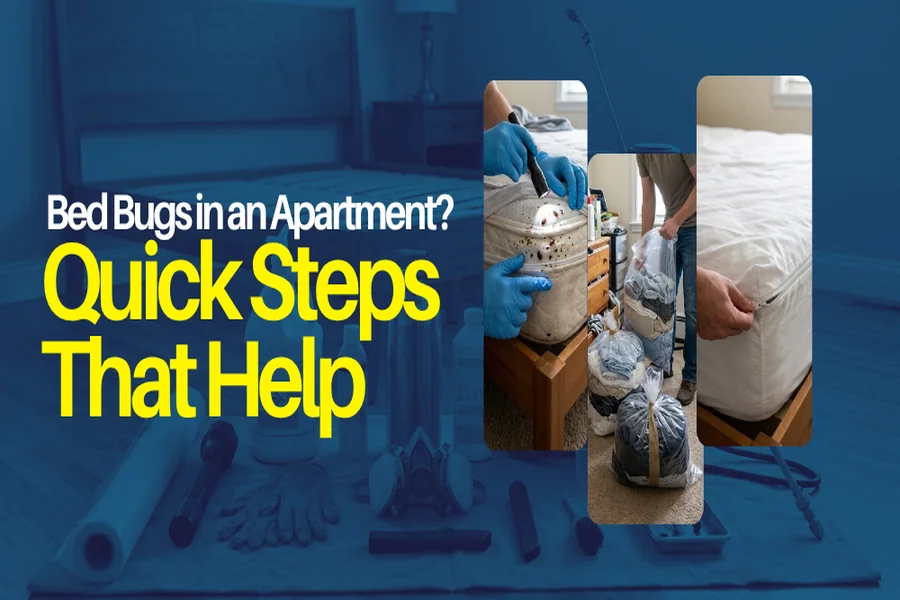
Finding bed bugs in an apartment can feel overwhelming, especially when you’re unsure what to do next or how serious the situation might be. The key is to stay calm and follow a structured approach. Acting quickly—but carefully—can help prevent the issue from spreading and make treatment more effective.
If you need a better understanding of professional solutions, you can review trusted bed bug treatment specialists to see what options are available for apartment settings.
Step 1: How to Confirm Bed Bugs in an Apartment
Try not to rely solely on bites. Bite reactions vary, and some people don’t react at all. The most reliable way to confirm bed bugs is by identifying physical evidence.
Look in the most common hiding spots:
- Mattress seams and tags
- Box spring edges and stapled fabric
- Headboard cracks and screw holes
- Baseboards near the bed
- Couch seams if you rest there
If you can safely capture a sample in a sealed bag or container, it can help confirm identification quickly.
Why Physical Evidence Matters
Bed bugs hide during the day and are rarely visible out in the open. Finding signs like spotting or shed skins is far more reliable than guessing based on bites.
Step 2: How to Contain Bed Bugs in an Apartment
In apartments, containment is critical. The goal is to prevent bed bugs from spreading to other rooms or neighboring units.
Use these containment steps:
- Bag bedding and clothing before moving them
- Keep clean items sealed in new bags or bins
- Vacuum slowly around bed frames, seams, and baseboards
- Dispose of vacuum contents in a sealed bag outside
Why Containment Prevents Spread
Moving unsealed items through hallways or shared spaces can spread bed bugs quickly. Keeping everything contained reduces the risk significantly.
Step 3: Document Bed Bugs in Apartments for Faster Response
Clear documentation helps your property manager or pest professional act more quickly and effectively.
Keep track of:
- The date you noticed signs
- Where you found evidence (bed, couch, baseboards)
- Photos of bugs, spotting, or shed skins
- Any recent travel or furniture deliveries
Keeping everything in one place makes communication easier and speeds up the inspection process.
Step 4: Report Bed Bugs in an Apartment Immediately
If you’re in a multi-unit building, early reporting is essential. Bed bugs can move between units, and coordinated treatment is often required.
When notifying your landlord or property manager, ask for:
- Inspection timelines
- Treatment methods being used
- Preparation steps required
- Follow-up and reinspection plans
Why Early Reporting Matters
The sooner the issue is reported, the easier it is to prevent a building-wide infestation. Delays often lead to more complex and costly treatment.
Step 5: Avoid Common DIY Bed Bug Mistakes
Some DIY actions can make the problem worse instead of solving it.
Avoid these common mistakes:
- Using foggers or bug bombs
- Trying unsafe heating methods
- Moving furniture between rooms
- Carrying unbagged items through shared areas
These actions can scatter bed bugs and make them harder to control.
Safer Alternatives to DIY Treatments
Instead of risky methods, focus on containment, cleaning, and preparation while waiting for professional guidance.
Step 6: Prepare Your Apartment for Bed Bug Treatment
Preparation is one of the most important factors in successful treatment. Proper prep allows technicians to access hiding spots and apply treatment effectively.
Typical preparation includes:
- Washing and drying bedding and clothing
- Using high heat when possible
- Sealing clean items after drying
- Reducing clutter near beds and baseboards
- Making furniture accessible
How to Prevent Re-Contamination During Prep
Follow a simple workflow:
- Bag dirty items before moving them
- Take them directly to laundry
- Dry on high heat when allowed
- Re-bag items immediately after cleaning
This prevents clean items from being exposed again before treatment is completed.
When to Call a Bed Bug Professional for Apartments
Professional help is often the fastest way to regain control, especially in apartment buildings.
Consider calling a professional if:
- You see live bed bugs
- Signs appear in multiple areas
- Bites continue without explanation
- You live in a shared building
Apartment environments make infestations more complex, so early intervention is important.
Conclusion: Bed Bugs in Apartment Action Plan
If you find bed bugs in an apartment, focus on a simple order of action: confirm, contain, document, and report. Avoid risky DIY methods and follow preparation steps carefully.
Acting early and staying organized makes a significant difference. With the right approach, you can limit the spread, support effective treatment, and return your home to normal as quickly as possible.
