


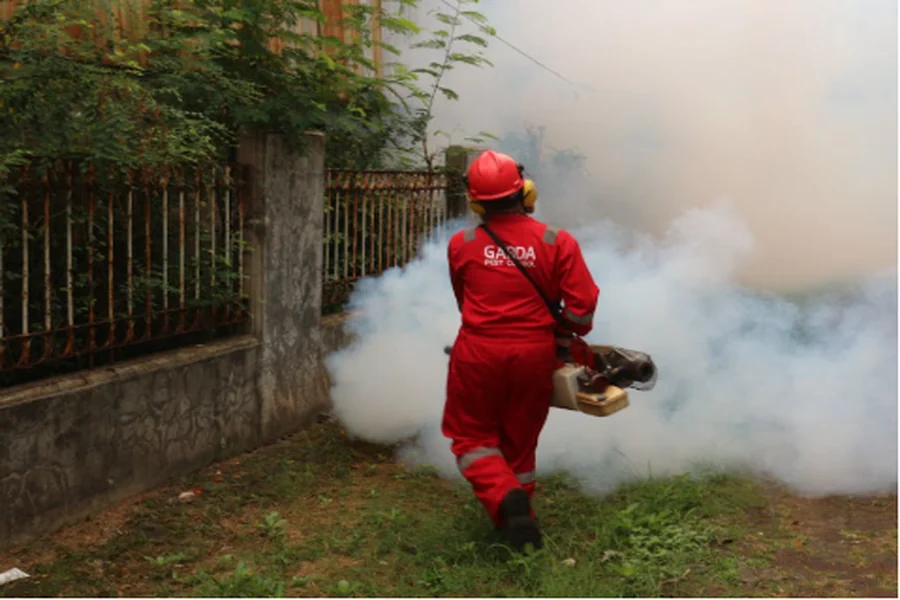
As urbanisation advances, pest management becomes increasingly critical, especially in densely populated areas. Singapore, with its myriad commercial facilities and residential complexes, requires efficient solutions to control a variety of pests. A pest control company in Singapore plays a vital role in maintaining environmental health and safety by providing specialised services to address pest-related challenges.
The Importance of Pest Control in Urban Environments
Cities around the world face persistent issues with pests due to factors like high population density, construction work, and a warm climate. Singapore is no exception. Effective pest management is essential to prevent potential health risks and infrastructure damage. Cockroaches, rats, mosquitoes, and termites are common threats that can proliferate rapidly if not addressed, underscoring the importance of professional pest control services.
Key Pest Challenges Addressed by Professionals
- Rodents: Rats and mice are notorious for their ability to adapt and breed quickly. They pose health risks through the spread of diseases and cause extensive structural damage by gnawing on electrical wiring, leading to fire hazards.
- Cockroaches: Known for their resilience, cockroaches can thrive in hostile environments and spread bacteria and allergens. They commonly infest food storage areas, making stringent control measures crucial.
- Termites: These silent destroyers are responsible for significant damage to wooden structures if left untreated. The subtropical climate in Singapore provides an ideal breeding ground for termites, increasing the demand for termite control solutions.
- Mosquitoes: In Singapore, mosquitoes are not only a nuisance but also vectors for serious diseases like dengue fever. Comprehensive mosquito management strategies are necessary to control their population effectively.
Advanced Techniques for Pest Management
Modern pest control companies employ a variety of sophisticated techniques to manage and eradicate pests safely and effectively. Integrated Pest Management (IPM) is a sustainable approach that combines biological, cultural, physical, and chemical tools to minimise risks to health and the environment. This holistic methodology helps companies tailor their strategies to each specific pest issue, ensuring maximum effectiveness with minimal environmental impact.
Biological Control: Utilising natural predators or parasites to control pest populations can be part of a comprehensive pest management strategy.
Cultural Practices: This involves altering the environment to make it less conducive to pest proliferation. Practices like proper waste disposal and maintaining clean surroundings can greatly reduce the likelihood of pest infestations.
Mechanical and Physical Controls: Setting traps and using physical barriers are traditional but effective methods, limiting pests’ access to critical areas.
Chemical Control: When necessary, professional companies may deploy targeted applications of pesticides. These are regulated to ensure they are used responsibly and effectively, with precise control of dosage and timing to safeguard human health and the environment.
Industry Regulations and Standards
The pest control industry in Singapore is governed by strict regulations to ensure public safety and the efficacy of pest control measures. Companies must adhere to standards set by national agencies, such as the National Environment Agency (NEA). This ensures that all pest control operations are carried out by certified professionals using approved methods and substances.
Regular assessments and training are conducted to keep pest control practitioners informed of current best practices and technologies. This ongoing education is essential to maintaining the industry’s high standards and ensuring that new challenges, such as resistance to traditional pesticides, can be met effectively.
Collaboration and Community Engagement
Beyond the technical aspects of pest control, a significant part of effective pest management involves community engagement and collaboration with other stakeholders. Public education campaigns are often deployed to raise awareness about preventing pest infestations and reducing environments that encourage pest proliferation.
Industry stakeholders frequently collaborate with government agencies, property managers, homeowners, and businesses to establish a comprehensive approach to pest management. This cooperative effort helps in the effective allocation of resources and strengthens the overall impact of pest control initiatives across Singapore.
The Role of Technology in Modern Pest Control
The incorporation of technology has revolutionised the pest control industry. Many companies now use advanced digital tools to monitor pest activity and trends. For example, infrared thermography can detect termite infestations in hidden areas, while digital rodent monitoring systems allow for real-time tracking of rodent movements and behaviour.
Additionally, data analytics is increasingly used to predict pest outbreaks, enabling pre-emptive action rather than reactive control measures. This predictive capability helps maintain pest populations at manageable levels, ultimately improving public health outcomes and protecting Singapore’s urban infrastructure.
Addressing Future Challenges
As Singapore continues to evolve, so too will the challenges posed by pest infestations. Climate change, increasing urban density, and shifts in consumer behaviour all play a role in shaping the future of pest management. Pest control companies are tasked with not only addressing the immediate needs of pest management but also anticipating and preparing for future challenges.
Staying ahead of emerging trends, such as the rise of electronic and eco-friendly pest control methods, will be vital. These advancements will allow the industry to continue playing a critical role in safeguarding health and property in urban environments.
In conclusion, the pest control industry in Singapore is a robust and dynamic field, offering essential services that protect public health and maintain the integrity of urban infrastructure. Professional companies remain at the forefront of this effort, providing innovative and effective solutions to meet the needs of the city-state’s diverse population.
