

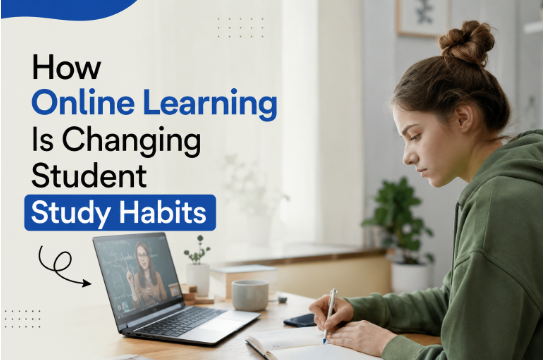
Online learning has changed the way students approach education. A few years ago, most students followed fixed classroom schedules, attended physical lectures and completed assignments in libraries or study groups. Today many students attend virtual classes from home, submit assignments online and manage their coursework through digital platforms.
While online education offers flexibility it has also introduced new academic challenges. Students now deal with overlapping deadlines, virtual class fatigue, reduced interaction and constant screen exposure. As a result, study habits are evolving rapidly, especially among college and university students trying to balance academics, work and personal responsibilities.
Understanding these changing study patterns can help students build healthier routines and improve academic performance in online learning environments. Many learners are now trying to become more structured with their study schedules and in some cases they also refer to MyAssignmentHelp to do my online class when managing a heavy academic workload.
Why Online Learning Feels Different for Students
Online education provides convenience but it also changes how students manage time, focus and motivation. Unlike traditional classrooms virtual learning requires students to become more independent in their daily academic routines.
Less Structured Learning Environments
In physical classrooms students follow fixed schedules and direct supervision. Online learning removes much of that structure. Many students attend recorded lectures or complete tasks at flexible times which can lead to procrastination if routines are not properly managed.
Without classroom accountability students often struggle to maintain consistent study schedules.
Increased Screen Time and Mental Fatigue
Virtual learning requires students to spend several hours each day on laptops or mobile devices. Continuous exposure to screens can reduce concentration and increase mental exhaustion.
Students commonly experience the following:
- Difficulty focusing during long lectures
- Reduced motivation
- Digital fatigue
- Poor sleep patterns
These issues can negatively affect learning outcomes over time.
More Responsibility for Coursework Management
Students are now expected to track submissions, quizzes, discussions and exams independently. Managing multiple online portals and deadlines can become overwhelming especially during busy academic periods.
Many students find it difficult to balance multiple deadlines while adapting to online learning schedules.
Common Changes in Student Study Habits
This approach helps students manage their time better and avoid missing important assignment deadlines while maintaining consistency.
Students Prefer Shorter Study Sessions
Instead of long library sessions students increasingly rely on shorter focused study periods throughout the day. Many use productivity methods such as the following:
- Pomodoro study sessions
- Digital planners
- Reminder applications
- Study-tracking tools
This approach helps students avoid burnout while maintaining consistency.
Independent Learning Has Become More Important
Online classes encourage students to learn independently. Instead of relying entirely on classroom explanations students often:
- Watch tutorial videos
- Search for supplementary notes
- Join online discussion groups
- Use educational forums
This shift has improved self-learning skills for many students.
Flexible Schedules Are Changing Productivity Patterns
Some students study late at night while others prefer early morning sessions. Online education allows students to customise routines according to their personal productivity patterns.
However, excessive flexibility can sometimes reduce discipline if students fail to maintain organised schedules.
Challenges Students Face While Managing Online Coursework
Although online learning offers flexibility it also creates academic pressure for many students.
Overlapping Academic Responsibilities
Students often manage the following:
- Assignments
- Online quizzes
- Discussion boards
- Virtual labs
- Group projects
- Part-time jobs
Balancing all these responsibilities can become stressful during exam periods.
Reduced Interaction With Teachers and Peers
Traditional classrooms provide immediate academic service. In online education communication delays may leave students confused about assignments or expectations.
This lack of interaction can affect confidence and participation levels.
Difficulty Staying Motivated
Studying alone for long periods can reduce engagement. Many students struggle with:
- Distractions at home
- Inconsistent routines
- Social isolation
- Low academic motivation
Over time these factors can impact academic performance.
How Students Are Adapting to Online Learning
Despite these challenges students are gradually developing new strategies to improve productivity and stay organised.
Creating Personalised Study Routines
Students who perform well in online classes often follow structured routines. Common strategies include:
- Setting fixed study hours
- Planning weekly coursework
- Tracking assignment submissions
- Limiting social media distractions
Consistent routines help students manage academic pressure more effectively.
Using Digital Productivity Tools
Many students now rely on digital platforms for organisation and time management. Popular tools include:
- Calendar applications
- Task management apps
- Cloud-based notes
- Virtual study groups
These tools help students stay informed about deadlines and upcoming exams.
Prioritising Mental Well-Being
Students are becoming more aware of the importance of mental health in academic performance. Taking breaks, maintaining sleep schedules and avoiding excessive multitasking can improve concentration and reduce stress levels.
Healthy study habits are now considered equally important as academic effort.
The Growing Role of Academic Support Services
As online education becomes more demanding some students seek additional academic service to manage their workload more efficiently.
Why Students Seek Additional Support
Students balancing:
- Internships
- Jobs
- Family responsibilities
- Multiple online courses
may sometimes require extra academic guidance. Help services can help students stay organised and reduce academic pressure during demanding semesters.
Online Academic Assistance Is Becoming More Common
Many students explore academic service resources to better manage coursework and online schedules. Some also look for online class assistance options when balancing exams, projects and part-time work becomes difficult.
Services such as MyAssignmentHelp are often discussed among students searching for additional academic guidance or “do my online class” support during busy academic periods. The key for students is to use such resources responsibly while continuing to develop independent learning skills.
Responsible Use of Educational Support
Academic service should complement learning rather than replace it entirely. Students benefit most when they:
- Improve time management
- Seek clarification on difficult concepts
- Use guidance to stay organised
- Maintain active participation in coursework
Responsible learning habits remain essential for long-term academic success.
Practical Study Habits That Improve Online Learning Performance
Students adapting successfully to virtual education often share similar study practices.
Setting Daily Academic Goals
Breaking large assignments into smaller tasks makes workloads feel more manageable. Daily goals help students maintain steady progress without feeling overwhelmed.
Avoiding Multitasking During Study Sessions
Research consistently shows that multitasking reduces concentration and information retention. Focusing on one task at a time improves learning efficiency.
According to educational research from Harvard University structured learning routines and focused study sessions can significantly improve student engagement in online learning environments.
Reviewing Coursework Regularly
Students who revise notes consistently often experience less stress before exams. Short daily reviews are generally more effective than last-minute cramming sessions.
How Online Learning May Continue to Shape Education
Online learning is likely to remain an important part of modern education. Many universities now combine virtual and traditional teaching methods to provide greater flexibility for students.
As technology continues to evolve students will need stronger:
- Self-discipline
- Digital literacy
- Time management
- Independent learning skills
Developing effective study habits today can help students adapt more successfully to future academic and professional environments.
Final Thoughts
Online learning has transformed student study habits in significant ways. While virtual education offers flexibility and accessibility it also requires students to become more organised, disciplined and independent in managing their academic responsibilities.
Students who create structured routines prioritise mental well-being and use academics responsibly are often better prepared to handle the challenges of online coursework. As education continues to evolve, adaptable study habits will remain one of the most valuable skills students can develop.
Frequently Asked Questions
Why do students struggle with online coursework?
Many students struggle with online coursework because of distractions at home, overlapping deadlines, screen fatigue and reduced classroom interaction.
How can students stay organised during online classes?
Students can stay organised by using digital planners, setting daily study goals, tracking deadlines and maintaining consistent study schedules.
Are online classes more stressful than traditional classes?
Online classes can feel more stressful for some students because they require greater self-discipline, independent learning and time management.
What are effective ways to manage assignment deadlines?
Breaking assignments into smaller tasks, using calendar reminders and reviewing coursework regularly can help students manage deadlines more effectively.
Why are study habits changing because of online learning?
Online learning encourages students to become more independent and flexible in their learning routines, leading to new study patterns and productivity methods.
Author Bio
James Carter writes about online learning, student productivity, academic planning, and modern education challenges.
