How to Improve Your Bathroom’s Functionality
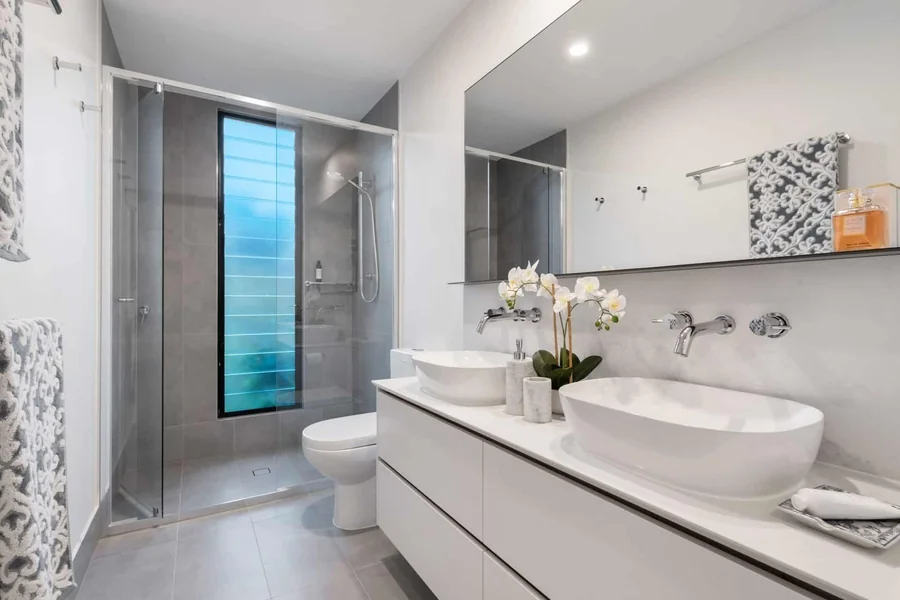
A bathroom is one of the most frequently used spaces in any home, yet it is often overlooked when it comes to design and functionality. A well-functioning bathroom isn’t just about looking good—it’s about making daily routines easier, faster, and more comfortable. Whether you have a small apartment bathroom or a larger family space, improving functionality can make a big difference in your everyday life. Here are practical and effective ways to upgrade your bathroom so it works better for you.
1. Maximize Your Storage Space
One of the biggest challenges in most bathrooms is clutter. Toiletries, towels, cleaning products, and personal items can quickly pile up and make the space feel chaotic. Improving storage is the first step toward better functionality.
Start by using vertical space. Wall-mounted shelves above the toilet or sink can hold items you use regularly, such as extra toilet paper, skincare products, or decorative baskets. Over-the-door organizers are also useful for storing small items like hair tools or cleaning supplies.
If you have a vanity, consider adding drawer organizers or dividers. These help separate items so you can find what you need quickly without rummaging through a mess. Clear containers or labeled bins can also make storage more efficient and visually tidy.
2. Improve Lighting for Practical Use
Good lighting is essential in a bathroom, especially for tasks like shaving, makeup application, or skincare routines. Many bathrooms rely on a single overhead light, which often creates shadows and uneven illumination.
To improve functionality, add layered lighting. This means combining different light sources for different purposes. For example, install bright LED lights around the mirror to eliminate shadows on your face. A ceiling light can provide general illumination, while a softer light or nightlight can be useful for nighttime use.
If possible, maximize natural light by keeping windows clear of heavy curtains or obstructions. Natural light not only improves visibility but also makes the bathroom feel more open and refreshing.
3. Upgrade Your Fixtures
Sometimes small changes in fixtures can greatly improve how your bathroom functions. Consider upgrading faucets, showerheads, and toilets to more modern, efficient versions.
For example, a high-pressure showerhead can improve water flow while still conserving water. A faucet with a motion sensor or single-handle design can make daily use easier and more hygienic. Dual-flush toilets help reduce water waste while maintaining performance.
Even small upgrades like installing a handheld showerhead can add flexibility, especially for cleaning the shower or bathing children and pets.
4. Optimize Layout and Flow
Even if you can’t fully renovate your bathroom, small layout adjustments can improve how the space works. Think about how you move through the room during your daily routine.
Items you use most often should be within easy reach. For instance, keep towels near the shower, toiletries near the sink, and cleaning supplies in a designated cabinet. Avoid placing frequently used items in hard-to-reach areas.
If your bathroom feels cramped, removing unnecessary items or furniture can instantly make it more functional. Minimalism often improves flow and reduces stress in small spaces.
5. Use Smart Accessories
Bathroom accessories play a bigger role in functionality than most people realize. Choosing the right ones can improve both convenience and organization.
Install towel bars or hooks at appropriate heights so towels are easy to access. A shower caddy can keep shampoo, conditioner, and soap organized instead of cluttering the edge of the tub. Magnetic or wall-mounted holders for razors, toothbrushes, or hair tools can also save space.
Non-slip mats and shower mats improve safety, especially in households with children or older adults. These small additions make the bathroom safer and more practical for everyday use.
6. Improve Ventilation
Proper ventilation is essential for both comfort and long-term maintenance. Without it, bathrooms can develop moisture buildup, leading to mold, mildew, and unpleasant odors.
If your bathroom has an exhaust fan, make sure it is working efficiently and use it during and after showers. If not, consider installing one. Opening a window when possible can also help improve airflow.
Better ventilation not only protects your bathroom but also makes it more comfortable to use, especially in humid conditions.
7. Choose Easy-to-Clean Materials
A functional bathroom should be easy to maintain. Choosing the right materials can significantly reduce cleaning time and effort.
For example, large tiles with minimal grout lines are easier to clean than small mosaic tiles. Glass shower doors are often easier to maintain than shower curtains, which can develop mold over time. Quartz or solid-surface countertops resist stains and require less maintenance than porous materials.
Even choosing wall paint with moisture-resistant or washable finishes can make upkeep easier and keep the space looking fresh longer.
8. Add Smart Technology
Modern bathrooms can benefit from smart technology that improves convenience and efficiency. Motion-sensor lighting, smart mirrors with built-in lighting or defogging features, and temperature-controlled showers are becoming increasingly popular.
Even simple additions like timed ventilation fans or digital shower controls can enhance your daily routine. While these upgrades may require an initial investment, they often save time and improve comfort in the long run. If you’re planning a bathroom renovation, integrating smart features from the start can significantly boost both functionality and long-term value.
9. Personalize Without Clutter
Functionality doesn’t mean your bathroom has to feel sterile. Adding a touch of personality can make the space more enjoyable without sacrificing efficiency.
Use simple decorative elements like plants, framed prints, or matching storage containers. However, be careful not to overcrowd the space. The goal is to create a calm, organized environment that still feels inviting.
Conclusion
Improving your bathroom’s functionality doesn’t always require a full renovation. Small, thoughtful changes—like better storage, improved lighting, upgraded fixtures, and smarter organization—can transform the space into something far more efficient and enjoyable. A well-designed bathroom supports your daily routines, reduces stress, and makes even the busiest mornings run more smoothly. By focusing on practicality and simplicity, you can create a bathroom that truly works for you.