


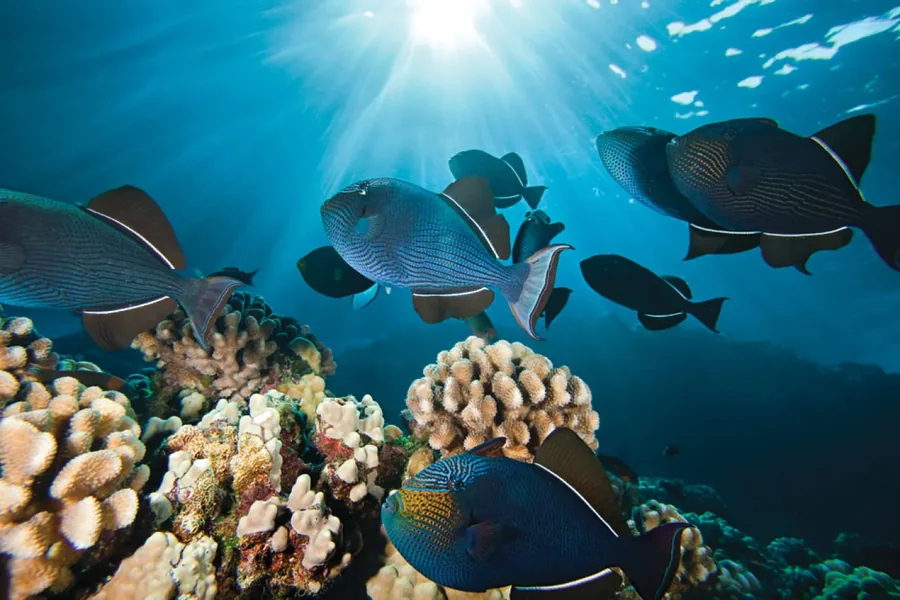
Maui has earned a strong reputation among divers for its warm Pacific waters, volcanic underwater terrain, and exceptional marine biodiversity. Located in the Hawaiian island chain, Maui offers a combination of shallow coral gardens, dramatic lava formations, underwater caves, and deep offshore walls that appeal to both beginners and experienced divers. Conditions remain relatively stable throughout the year, making the island one of the most accessible dive destinations in the United States.
Many travelers visit Maui for beaches and scenic drives, but the underwater world often becomes the highlight of the trip. Visibility frequently exceeds 100 feet, and water temperatures usually range between 74°F and 80°F, allowing divers to spend longer periods underwater comfortably. The island’s geography also creates diverse marine ecosystems where sea turtles, reef sharks, rays, and tropical fish thrive.
For people entering the sport, structured Maui scuba courses provide a practical way to learn diving fundamentals while experiencing Hawaii’s unique marine environment. Certified divers, meanwhile, often return to Maui to explore deeper caverns, advanced drift sites, and protected marine reserves that reveal a different side of the Pacific Ocean.
Coral Reefs That Define Maui’s Underwater Landscape
Maui’s coral reefs are among the island’s most valuable ecological resources. These reef systems support hundreds of marine species while also protecting shorelines from erosion and wave impact. Divers exploring Maui quickly notice how different reef zones create distinct underwater experiences.
Molokini Crater remains one of the island’s most recognized dive sites. Formed from a partially submerged volcanic crater, Molokini offers clear water and thriving coral communities. Divers often encounter butterflyfish, triggerfish, surgeonfish, and moray eels weaving through coral structures. Because the crater is protected from strong currents on many days, it is commonly used for training dives and beginner instruction.
The western coastline near Kaʻanapali and Lahaina also contains extensive reef systems. Black Rock, for example, combines lava rock formations with coral habitats that attract green sea turtles and schools of tropical fish. The reef’s varying depths make it suitable for divers developing confidence after completing introductory Maui scuba courses.
South Maui sites such as Makena Landing feature calmer waters and healthy coral formations close to shore. Shore diving here allows divers to spend more time underwater without relying on boat schedules. Reef ledges and sandy channels create ideal feeding grounds for octopus, nudibranchs, and smaller reef fish species that are often overlooked on deeper dives.
Healthy coral ecosystems require careful conservation. Divers visiting Maui are encouraged to maintain buoyancy control, avoid touching coral, and use reef-safe sunscreen products. These small actions help preserve reef environments that have become increasingly vulnerable to climate stress and human activity.
Lava Tubes and Underwater Caves Around the Island
One of the defining characteristics of Maui diving is its volcanic underwater topography. Ancient lava flows created tunnels, arches, caverns, and swim-throughs that add complexity and excitement to many dive sites.
Lanai Cathedrals, located off the nearby island of Lanaʻi, are among the most famous underwater cavern systems in Hawaii. Sunlight enters through openings in the lava rock, creating dramatic beams that resemble light streaming through cathedral windows. The formations were created thousands of years ago during volcanic activity and later shaped by ocean erosion.
Divers exploring these caverns often encounter white-tip reef sharks resting beneath ledges or large schools of snapper sheltering in darker sections of the caves. While these sites are accessible to recreational divers, proper training and situational awareness remain important when navigating overhead environments.
Several Maui scuba courses introduce divers to underwater navigation, buoyancy management, and environmental awareness before they attempt more advanced cavern dives. Building these foundational skills improves safety while also helping divers appreciate the geological history beneath the surface.
Mala Wharf is another site known for structure-based diving. Originally a pier damaged by a hurricane, the underwater remains now function as an artificial reef system. Coral growth covers concrete pillars while turtles, frogfish, and eels inhabit the structure. Swim-through sections create opportunities for underwater photography and marine observation.
The combination of volcanic geology and marine life gives Maui a visual diversity that differs significantly from many tropical reef destinations. Divers can transition from bright coral gardens to dark lava caverns within the same dive.
Marine Life Encounters Beneath Maui’s Waters
Marine biodiversity is one of the strongest reasons divers return to Maui repeatedly. Hawaiian waters host endemic species found nowhere else in the world, making each dive both educational and visually rewarding.
The Hawaiian green sea turtle, locally known as honu, is among the island’s most recognizable marine animals. Divers frequently observe turtles resting beneath reef ledges or gliding slowly across coral gardens. Hawaiian law protects these animals, and divers are expected to maintain respectful distances during encounters.
Spinner dolphins also inhabit Maui’s coastal waters, though sightings underwater are less predictable. During boat journeys to dive sites, groups of dolphins often travel alongside vessels, particularly in the calmer morning hours.
Seasonal humpback whale migrations add another dimension to the Maui diving experience. Between December and April, humpback whales arrive in Hawaiian waters to breed and give birth. Divers may hear whale songs resonating underwater even when the animals are not visible. These sounds can travel remarkable distances and create a unique acoustic environment beneath the surface.
Reef sharks, eagle rays, octopus, and schools of pelagic fish are also common around deeper offshore sites. Night dives reveal an entirely different ecosystem as nocturnal species emerge from reef crevices. Lobsters, shrimp, and hunting eels become more active after sunset, giving divers insight into behaviors rarely seen during daytime dives.
For beginners, Maui scuba courses often include marine life identification as part of the educational process. Understanding animal behavior and reef ecology helps divers interact responsibly with underwater environments rather than simply observing them passively.
Seasonal Conditions and Best Times to Dive
Maui supports year-round diving, but conditions vary depending on weather patterns, ocean swell, and seasonal marine activity. Understanding these seasonal differences can help divers choose the best time for their experience level and interests.
Summer months generally provide calmer water and improved visibility along many coastal sites. These conditions are ideal for beginner divers and underwater photography. Shore entries also become easier during periods of reduced surf.
Winter introduces larger swells on some coastlines, particularly on north-facing shores. However, southern and western sites often remain accessible. Winter diving also coincides with humpback whale season, making it a particularly popular time for visitors seeking marine wildlife encounters.
Morning dives are usually preferred because wind conditions tend to strengthen later in the day. Calm morning seas improve visibility and reduce surface movement, especially for boat dives to Molokini and Lanaʻi.
Current strength varies depending on location and weather. Certain drift dives may be better suited to advanced divers with experience in open-water navigation. This is why many travelers choose to complete Maui scuba courses before attempting more challenging offshore dives.
Weather monitoring and dive briefings play an important role in local dive operations. Responsible dive planning helps ensure safer conditions while minimizing environmental impact.
Learning to Dive in Maui’s Ocean Environment
Maui has become a respected destination for diver education because of its combination of clear water, manageable temperatures, and accessible reef systems. Many first-time divers choose Hawaii for certification because learning in natural ocean conditions provides immediate real-world experience.
Beginner programs typically focus on breathing techniques, buoyancy control, underwater communication, and equipment use. Confined training often takes place in calm shallow water before progressing to open-water dives. The gradual learning structure allows students to gain confidence without feeling overwhelmed.
More advanced Maui scuba courses expand into rescue skills, navigation, deep diving, and specialty certifications such as underwater photography or night diving. These programs help divers continue developing skills while exploring more complex underwater terrain.
Ocean-based training also teaches environmental responsibility. Divers learn how coral reefs function, how marine species interact, and how human behavior affects underwater ecosystems. This educational aspect has become increasingly important as conservation concerns grow throughout the Pacific region.
Maui’s dive environment offers enough variety for divers at every stage. Beginners can focus on shallow reefs with minimal current, while experienced divers pursue advanced cave systems, deeper walls, and offshore drift sites.
Conservation and Responsible Diving Practices
Marine conservation has become a central topic in Hawaii due to the increasing pressure on reef ecosystems from tourism, climate change, and pollution. Divers play an important role in protecting these environments through responsible underwater behavior.
Coral reefs are living organisms that can be damaged easily by physical contact. Poor buoyancy control, standing on coral, or dragging equipment across reef surfaces can cause long-term harm. Responsible divers maintain proper positioning in the water and avoid disturbing marine habitats.
Many operators now encourage reef-safe sunscreen products because certain chemicals contribute to coral bleaching and environmental degradation. Hawaii has implemented regulations restricting sunscreens containing ingredients harmful to reef ecosystems.
Sustainable diving also includes respecting marine animals. Chasing turtles, touching wildlife, or feeding fish can alter natural behaviors and increase stress on marine species. Ethical diving practices prioritize observation without interference.
Educational Maui scuba courses increasingly include conservation awareness as part of training standards. Divers are encouraged to understand not only how to dive safely, but also how to protect the environments they explore.
Maui’s underwater world remains one of the Pacific’s most remarkable marine environments because of this ongoing balance between tourism, education, and conservation. The island’s reefs, lava caves, and marine life continue to attract divers seeking both adventure and deeper appreciation for ocean ecosystems.
