


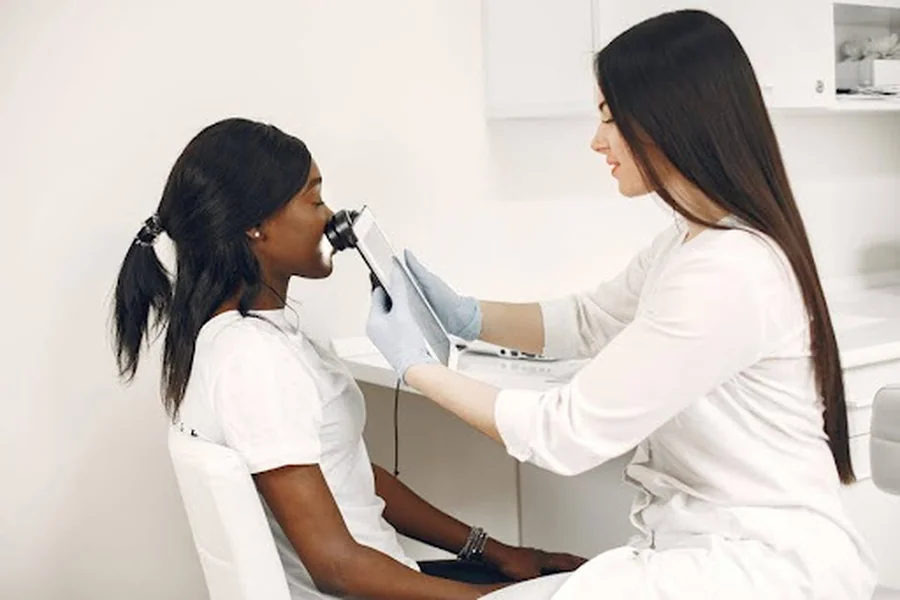
In the ever-evolving world of technology, innovations continue to reshape industries, and dermatology is no exception. One of the most groundbreaking advancements is the integration of artificial intelligence in skin analysis. Pioneering systems like *Evelab Insight – AI Powered Skin Analysis* have emerged, providing sophisticated methodologies to evaluate skin conditions with unprecedented precision and efficiency.
Understanding AI in Dermatological Applications
Artificial intelligence, a branch of computer science focused on creating systems capable of performing tasks that would typically require human intelligence, has seen substantial advancements. In dermatology, AI employs algorithms to analyse images of the skin, identifying patterns and features that might escape human eyes. This technology is revolutionary, as it surpasses traditional methods which rely heavily on subjective analysis.
Traditional skin assessments often involve clinical evaluations by dermatologists using magnifiers and dermatoscopes. However, these evaluations depend largely on the clinician’s expertise and experience. The variability in diagnoses and prognoses due to human error or oversight can be mitigated by employing AI systems. AI-driven tools can offer more standardised and objective evaluations, which is pivotal in both preventive and diagnostic aspects of dermatological care.
How AI-Powered Skin Analysis Works
AI skin analysis systems function by using sophisticated deep learning algorithms. These algorithms are trained using vast datasets of skin images, encompassing a wide range of skin types and conditions. By processing these images, AI systems learn to identify and categorise various skin conditions effectively.
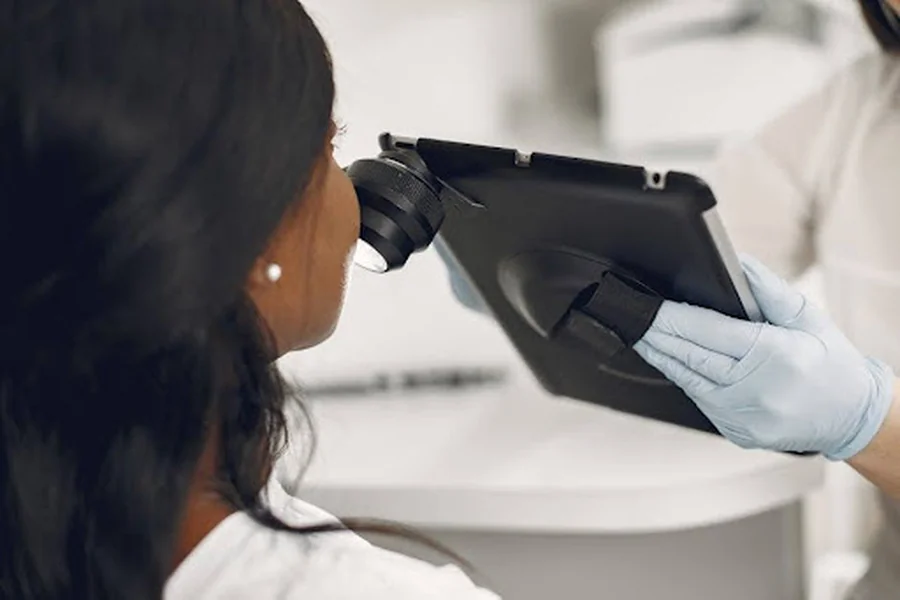
The system begins by capturing an image of the skin using dermoscopic techniques. The algorithms then analyse the image, assessing multiple parameters such as texture, pigmentation, and the presence of any lesions. For instance, advanced AI systems can segment different layers of skin to evaluate issues such as hyperpigmentation or inflammation at a granular level. With this detailed analysis, AI systems can offer insights into conditions like acne, eczema, or potential malignant changes, and suggest possible interventions.
The Benefits of AI in Skin Analysis
One major advantage of utilising AI for skin analysis is the speed and efficiency with which it can process information. In cases of time-sensitive skin conditions, prompt and accurate analysis facilitated by AI can significantly impact patient outcomes. Moreover, AI’s capability to continually learn and refine its diagnostic accuracy as it processes more data represents a continuous improvement over time.
Another benefit is accessibility. With AI technology, individuals have the potential for remote consultations, extending dermatological services to regions lacking specialists. Portable scanning devices paired with AI can allow users to conduct self-checks, providing an initial evaluation and recommending further steps if needed. This progression aligns with broader telemedicine trends, democratizing healthcare access.
The Role of AI in Early Detection of Skin Conditions
Early detection is critical in the effective management and treatment of skin diseases, particularly melanoma and other skin cancers. AI’s proficiency in evaluating subtle changes in skin lesions, which might not be immediately apparent to a human observer, makes it indispensable. By highlighting suspicious areas earlier in their progression, AI can assist dermatologists in prioritising urgent cases and planning prompt intervention measures.
AI’s precision is especially significant when dealing with ambiguous moles or blemishes. Evaluations conducted by AI are not swayed by clinician fatigue or other subjective factors, ensuring consistent monitoring of any changes over time. Such detailed analysis is crucial for distinguishing between benign and potentially hazardous skin lesions.
Enhancing Dermatological Research and Development
The integration of AI in dermatology extends beyond patient care into the realms of research and development. By processing and analysing large datasets, AI can uncover trends and correlations that may not be readily visible. This capability can guide new research directions, potentially spurring the development of novel treatment avenues or skincare products.
AI’s prowess in analysing genetic and environmental factors contributes significantly to understanding the aetiology of certain dermatological conditions. As AI continues to evolve, its role in mapping genetic markers associated with skin diseases is likely to expand, paving the way for personalised skin care and treatment plans.
Ethical Considerations and Challenges
Despite its numerous advantages, the utilisation of AI in dermatology is not without challenges. One major concern is data privacy and the ethical handling of sensitive information, as skin images and associated data must be securely stored and managed. Ensuring that AI systems are developed and applied in a manner that respects patient confidentiality is paramount.
Another issue pertains to the algorithmic bias that can arise if the AI’s training datasets lack diversity in skin types and tones. Poor representation could result in inaccuracies when the technology is applied to diverse populations. Therefore, it is crucial to employ comprehensive datasets in AI training to ensure the technology is equitable and effective across all demographics.
Continued Evolution and Future Prospects
The field of AI-powered dermatology is poised for remarkable growth. Continual refinement of algorithms and the expansion of datasets will undoubtedly augment the capabilities of AI skin analysis systems. As these technologies advance, collaborations between AI experts, dermatologists, and regulatory bodies will be essential in establishing robust standards, ensuring accuracy, and maintaining patient safety.
In summary, AI’s integration into skin analysis signifies a monumental leap towards the evolution of dermatology. While systems like *Evelab Insight – AI Powered Skin Analysis* demonstrate the immense potential of such technologies, ongoing innovation and collaborative efforts remain critical to harnessing AI’s full potential in transforming dermatological practice.
