


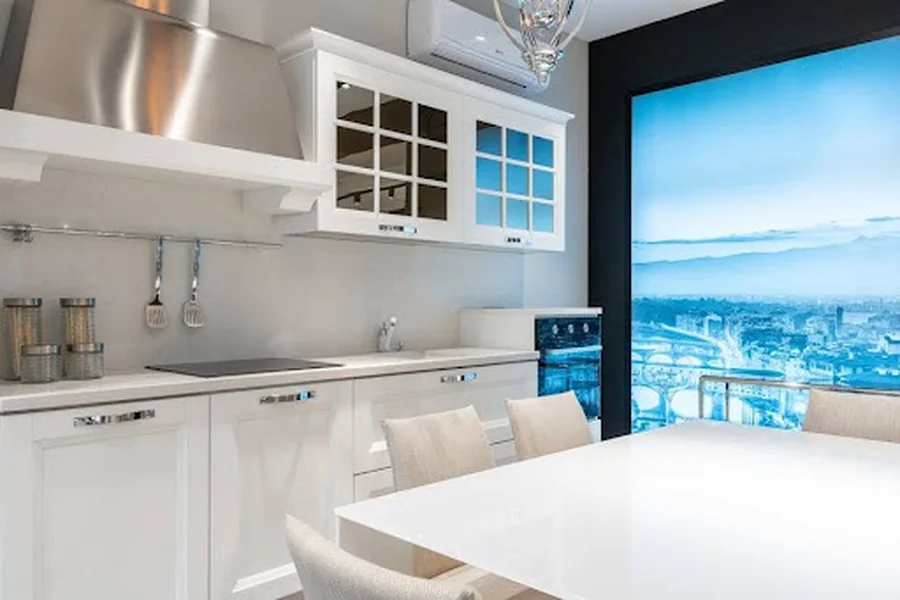
In the heart of every modern kitchen, the hob and hood play pivotal roles, balancing functionality with design elegance. As cooking has evolved from a mere necessity into an art form, the technology we use has also transformed dramatically. Modern cooker hoods, such as those featured on https://www.fujioh.com/sg/products/cooker-hoods/, are designed to improve ventilation efficiency while complementing contemporary kitchen aesthetics. Hobs, with their various fuel types and configurations, cater to different culinary needs, while cooker hoods, like those available here, ensure a clean, odour-free environment, crucial for both aesthetic and health reasons.
The Evolution of the Kitchen Hob
The kitchen hob has come a long way since open-flame cooking. Traditionally, solid fuel or open fire was replaced by gas hobs, which offered greater control and intensity. Gas hobs remain popular due to the ability to control heat swiftly and their suitability for a range of cooking techniques, from sautéing to simmering.
However, with the rise of technological innovation, other types of hobs, such as electric and induction, have gained popularity. Electric hobs provide a smooth, easy-to-clean surface. They operate by heating an element that transfers energy to the cooking vessel. Despite slightly slower heat adjustments compared to gas, they are convenient due to their user-friendly design and consistent heat distribution.
Induction hobs represent the latest in culinary technology. Using electromagnetism, they directly heat cookware without warming the hob surface itself. This method is not only energy-efficient but also safer, as there is no residual heat. Induction hobs are lauded for precise temperature control and rapid heating, ideal for discerning home cooks aiming for professional-level cooking performance.
The Role and Variety of Cooker Hoods
Cooker hoods, also known as extractor hoods, ventilate the kitchen by extracting airborne grease, smoke, heat, and combustion products. There are several types of cooker hoods designed to fit different kitchen layouts and preferences.
Canopy hoods are built into kitchen cabinets, nearly invisible yet effective in extraction. They are well-suited for discreet settings that demand uncluttered aesthetics. Chimney hoods have a more traditional appearance, featuring a wider base that narrows into a chimney structure. These are effective in large designs, often serving as a centrepiece.
Meanwhile, integrated hoods are concealed within kitchen units, keeping them out of sight while maintaining their function. This can be beneficial in streamlined designs where cohesion in kitchen décor is essential. Downdraft extractors rise from the work surface during use and retract after, providing an excellent solution for island counter hobs, where overhead installation might be challenging.
Performance and Features
An essential feature of cooker hoods is their extraction rate, measured in cubic metres per hour (m³/h). It’s recommended that a cooker hood should ideally refresh the air in your kitchen about 10 times per hour, meaning a capacity tailored to the kitchen size is crucial. Additionally, noise levels are a significant consideration, particularly in open-plan living spaces. Innovations in design have led to cooker hoods that operate quietly, ensuring that cooking becomes a pleasant experience without intrusive background noise.
Another vital factor is the type of filters used. Mesh filters are common and capture grease particles efficiently; however, they require frequent cleaning. Charcoal filters, on the other hand, are used primarily in recirculating setups to neutralise odours, and though effective, they require regular replacement.
Choosing the Right Hob and Hood Combination
Selecting the perfect hob and hood combination depends on various factors, including kitchen size, cooking habits, and aesthetic preferences. For instance, a passionate cook who hosts frequently might benefit from a high-powered gas hob paired with a robust chimney hood that ensures effective smoke extraction.
Conversely, modern minimalist kitchen designs might favour the induction hob paired with an integrated or downdraft hood, blending seamlessly and maintaining clean lines within the kitchen. The variety of materials and finishes available today, such as glass and stainless steel, allows for personalisation in line with the overall design vision.
Installation and Maintenance Considerations
Proper installation of both hobs and hoods is crucial to ensure safety and maximise performance. Hobs demand close attention to the type of kitchen pipes and electrical connectivity available. Induction hobs, for instance, require a specific electrical setup due to their energy needs.
Similarly, cooker hood installation must consider ducting requirements. Ducted out options will vent air outside, necessitating an exterior wall or ceiling access, whereas recirculating options offer more flexibility in placement, relying on filters to clean air before reintroducing it into the kitchen.
Routine maintenance is also vital. This includes periodic cleaning of hobs, a relatively straightforward task with electric and induction models due to their flat surfaces. Cooker hoods require filter cleaning or replacement to maintain efficient operation, a task that should not be overlooked to ensure air quality and hygiene.

The Future of Hob and Hood Technology
As sustainability increasingly influences kitchen appliance production, energy efficiency becomes a critical focus in hob and hood advancements. Induction hobs align with this trend, offering significant reductions in energy use by directly heating cookware without energy loss. Cooker hoods also continue to innovate, integrating smart home technology for enhanced user control and adaptability.
In conclusion, the interplay between the hob and hood is a testament to the evolving nature of the kitchen as a space that nurtures both tradition and modernity. Adapting to new technological advances not only enriches the culinary experience but also ensures a healthier, more efficient, and aesthetically pleasing kitchen environment.
