

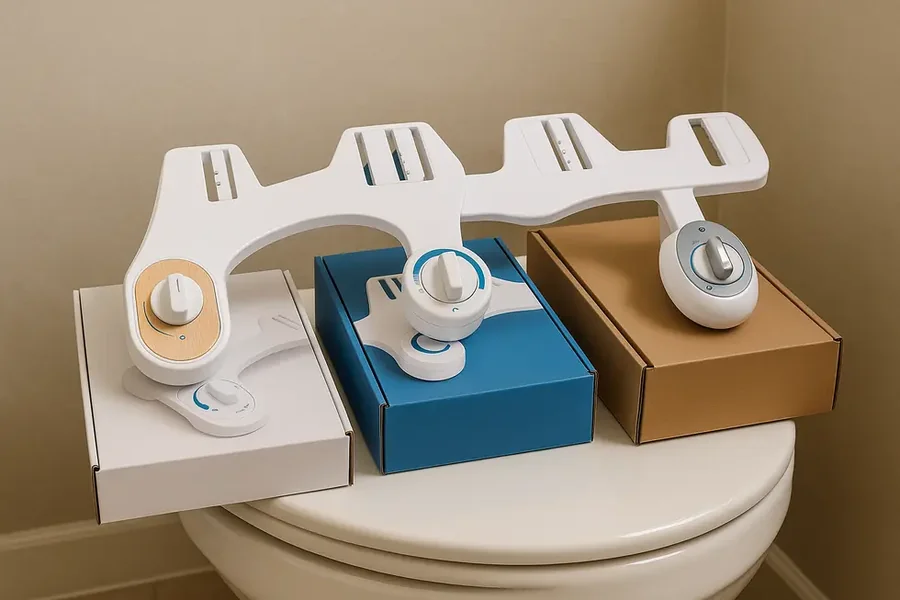
In recent years, bathroom design has evolved far beyond the basic requirements of hygiene and utility. One of the most significant innovations contributing to this evolution is the bidet toilet. Once considered a luxury or a cultural norm primarily in parts of Europe and Asia, bidet toilets are now becoming increasingly popular worldwide. Their integration into modern bathrooms is not just a matter of comfort but also of improved functionality, hygiene, sustainability, and accessibility.
A bidet toilet combines the traditional functions of a standard toilet with a built-in water cleansing system. Instead of relying solely on toilet paper, it uses a controlled stream of water to clean the user after using the toilet. This simple yet powerful feature has a wide range of implications for how bathrooms are used and designed.
Improved Hygiene Standards
One of the most important advantages of a bidet toilet is the significant improvement in personal hygiene. Water is more effective than dry paper when it comes to cleaning sensitive areas of the body. It reduces the risk of residue, irritation, and bacterial spread.
Unlike toilet paper, which can sometimes smear or leave particles behind, a bidet provides a thorough and gentle wash. Many modern bidet toilets also include adjustable water pressure, temperature control, and nozzle positioning, allowing users to customize the cleaning process for maximum comfort and effectiveness.
This improved cleanliness is especially beneficial for people with medical conditions such as hemorrhoids, irritable bowel syndrome, or post-surgical recovery needs. The reduced need for wiping helps prevent irritation and promotes faster healing.
Enhanced Comfort and User Experience
Comfort is another area where bidet toilets significantly enhance bathroom functionality. Traditional toilet paper can sometimes be harsh on the skin, particularly for individuals with sensitive skin or dermatological issues. A bidet toilet eliminates this discomfort by replacing friction-based cleaning with a gentle water rinse.
Many advanced models include additional features such as heated seats, warm air dryers, deodorization systems, and even night lighting. These features transform a basic bathroom experience into a more comfortable and user-friendly routine.
The experience is also more consistent. Toilet paper quality can vary widely, while a bidet provides a reliable and uniform level of cleanliness every time.
Environmental Benefits and Sustainability
A bidet toilet also contributes positively to environmental sustainability. One of the most overlooked impacts of traditional toilet use is the massive consumption of toilet paper. Producing toilet paper requires large amounts of water, energy, and wood pulp, contributing to deforestation and environmental degradation.
By reducing or even eliminating the need for toilet paper, bidet toilets significantly decrease household paper waste. Although bidets do use water, the overall water footprint is often lower when considering the full production cycle of toilet paper.
In large-scale usage scenarios, such as hotels, offices, and public facilities, the environmental savings can be substantial. Reduced paper consumption also means less strain on sewage systems and lower maintenance costs for plumbing infrastructure.
Cost Efficiency Over Time
While bidet toilets or bidet attachments may require an initial investment, they often lead to long-term cost savings. Households typically spend a significant amount of money annually on toilet paper. Over time, the reduction or elimination of this expense can offset the installation cost of a bidet system.
Additionally, modern bidet toilets are designed to be energy efficient and use minimal water per use. Maintenance costs are generally low, especially for high-quality models. This makes them a practical financial choice for many homeowners.
Accessibility and Inclusivity
Another important advantage of bidet toilets is their contribution to accessibility. For elderly individuals, people with disabilities, or those with limited mobility, using toilet paper can be difficult or even painful. A bidet toilet reduces the need for physical movement and manual wiping, making bathroom use easier and more independent.
This increased accessibility can significantly improve quality of life. Features such as remote controls, automatic lids, and sensor-based operation further enhance usability for individuals with physical limitations.
Caregivers also benefit from bidet toilets, as they simplify hygiene assistance tasks and reduce physical strain.
Modern Bathroom Design Integration
From a design perspective, bidet toilets align well with modern minimalist and high-tech bathroom trends. Many models are sleek, compact, and designed to integrate seamlessly into contemporary interiors. Instead of being bulky add-ons, they are often built directly into the toilet unit.
This integration allows for cleaner bathroom aesthetics and more efficient use of space. In smaller bathrooms, especially in urban apartments, combining multiple functions into a single fixture can make a significant difference in usability and layout.
Smart home integration is another growing trend. Some bidet toilets can connect to home automation systems, allowing users to pre-set preferences, monitor usage, or even activate functions via smartphone apps.
Health and Hygiene in Shared Households
In shared living environments, such as families or student accommodations, hygiene becomes even more important. Bidet toilets help reduce the spread of germs by minimizing contact with surfaces and eliminating the variability of shared toilet paper use.
Touchless features, such as automatic flushing and sensor-activated lids, further reduce contact points, making bathrooms cleaner and safer overall. This is particularly relevant in the context of increased awareness of hygiene following global health concerns.
Psychological and Lifestyle Impact
Beyond physical benefits, bidet toilets can also influence lifestyle habits. Users often report feeling cleaner and more refreshed after switching to a bidet system. This psychological comfort can contribute to a greater sense of well-being and confidence throughout the day.
Additionally, adopting a bidet can encourage more mindful consumption habits. People become more aware of their environmental footprint and daily resource use, which can extend into other areas of life.
Challenges and Considerations
Despite their many advantages, bidet toilets do come with certain considerations. Installation can be more complex than a standard toilet, especially in older homes that may require electrical or plumbing modifications. Initial costs can also be a barrier for some households.
There is also a learning curve for users unfamiliar with bidet systems. However, most people adapt quickly and find the transition easy after a short period of use.
Quality also varies widely between models. Lower-end bidet attachments may lack durability or advanced features, while high-end systems offer a much more refined experience.
Conclusion
The bidet toilet represents a significant step forward in bathroom functionality. By combining improved hygiene, enhanced comfort, environmental sustainability, cost efficiency, and accessibility, it transforms one of the most essential household fixtures into a more advanced and user-friendly system.
As modern homes continue to prioritize efficiency, cleanliness, and sustainability, bidet toilets are likely to become an increasingly standard feature rather than a luxury option. Their ability to improve everyday life in both subtle and significant ways makes them one of the most impactful innovations in contemporary bathroom design.
