

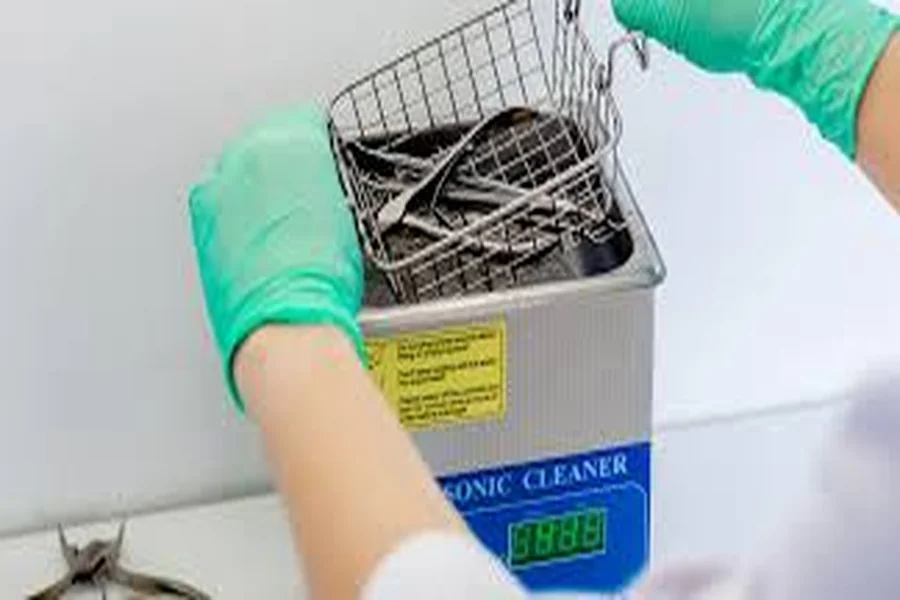
Medical ultrasonic cleaners are specialized devices that use high-frequency sound waves to remove contaminants from instruments and equipment. Unlike manual scrubbing, ultrasonic cleaning reaches microscopic spaces, making it especially valuable in healthcare environments where sterility is critical. These devices are widely used in hospitals, dental clinics, laboratories, and surgical centers. Their importance becomes particularly clear in situations where precision, hygiene, and efficiency cannot be compromised.
This article explores the most important cases and situations in which medical ultrasonic cleaners are most useful, and why they are often considered an essential part of modern medical practice.
1. Cleaning Surgical Instruments After Operations
One of the most critical uses of ultrasonic cleaners is the decontamination of surgical tools after procedures. Scalpels, forceps, scissors, retractors, and other instruments often come into contact with blood, tissue, and other biological materials.
Manual cleaning alone may not remove debris from tiny grooves, hinges, or serrated edges. These microscopic residues can harbor bacteria and viruses, increasing the risk of infection if instruments are reused without proper sterilization.
Ultrasonic cleaners solve this problem by generating cavitation bubbles in a cleaning solution. These bubbles collapse rapidly, producing micro-jet forces that dislodge contaminants even from hard-to-reach areas. As a result, surgical instruments are thoroughly cleaned before undergoing sterilization processes like autoclaving.
In busy operating rooms, where instruments must be processed quickly and reliably, ultrasonic cleaning significantly improves workflow efficiency and patient safety.
2. Dental Instrument Sterilization
Dental practices are among the most common users of ultrasonic cleaning systems. Dental tools such as scalers, probes, mirrors, and burs often accumulate a mixture of saliva, blood, plaque, and fine debris.
Because these instruments are small and complex in shape, manual cleaning is time-consuming and often insufficient. Ultrasonic cleaners ensure that even microscopic particles of biofilm are removed before sterilization.
This is particularly important in preventing cross-contamination between patients. Dental clinics see a high turnover of patients daily, and strict hygiene protocols are essential. Ultrasonic cleaning allows dental professionals to maintain consistent standards while saving time and reducing manual labor.
Additionally, dental laboratories use ultrasonic cleaners to clean crowns, bridges, and prosthetic components before final polishing and fitting.
3. Cleaning Laboratory Equipment in Medical and Research Facilities
Medical and biological laboratories rely heavily on precision instruments such as test tubes, pipettes, beakers, slides, and surgical-grade stainless steel tools. Even small residues of chemicals or biological samples can interfere with experimental results.
Professional medical ultrasonic cleaner is particularly valuable in:
- Removing dried blood or protein residues from glassware
- Cleaning delicate measurement instruments without scratching
- Ensuring contamination-free surfaces for microbiological studies
In research environments, accuracy is everything. A single contaminated sample can invalidate entire experiments. Ultrasonic cleaning reduces this risk significantly by providing a consistent and repeatable cleaning method.
4. Cleaning Orthopedic and Orthodontic Devices
Orthopedic implants, surgical screws, plates, and fixation devices often have complex shapes and textured surfaces designed to integrate with bone. These features, while medically necessary, also make cleaning difficult.
Before implantation or after removal, these devices must be thoroughly cleaned to eliminate biological material and manufacturing residues. Ultrasonic cleaners are ideal for this task because they penetrate deep into threads, grooves, and porous surfaces.
Similarly, in orthodontics, items such as braces components, wires, and alignment tools require meticulous cleaning to ensure patient safety and comfort.
5. Sterilizing Reusable Medical Tools in Clinics
Many medical facilities use reusable instruments to reduce costs and environmental waste. However, this requires strict cleaning protocols between uses.
Ultrasonic cleaners are especially useful for:
- ENT (ear, nose, and throat) instruments
- Gynecological tools
- Dermatological instruments
- Minor surgical kits
These tools often have intricate designs or small moving parts that cannot be properly cleaned by hand. Ultrasonic cleaning ensures that no organic material remains before sterilization, reducing infection risk.
6. Emergency and High-Throughput Medical Environments
In emergency rooms and trauma centers, time is critical. Instruments are used rapidly and must be cleaned and reused efficiently when possible.
Ultrasonic cleaners help streamline instrument processing by reducing the time needed for manual scrubbing. Instead of spending several minutes per tool, staff can place multiple instruments in a cleaning bath and allow the machine to do the work simultaneously.
This is particularly valuable in mass casualty events or high patient intake scenarios, where speed and reliability can directly impact patient outcomes.
7. Cleaning Sensitive Microscopic and Precision Instruments
Some medical devices are extremely delicate, such as:
- Microsurgical tools
- Ophthalmic instruments
- Endoscopic components
- Microneedles and fine surgical blades
These instruments cannot withstand aggressive scrubbing, which could damage their surfaces or alter their precision. Ultrasonic cleaning provides a non-abrasive alternative that preserves instrument integrity while still ensuring cleanliness.
For example, ophthalmic tools used in eye surgery must remain perfectly smooth and free of contamination. Even the smallest particle can cause complications. Ultrasonic cleaning ensures a high level of safety without physical wear.
8. Decontamination of Prosthetics and Medical Devices
Removable prosthetics, hearing aids, and certain external medical devices accumulate skin oils, bacteria, and environmental debris during use.
Ultrasonic cleaners are effective for:
- Hearing aid components
- Dentures
- External prosthetic attachments
- Medical sensors and wearable devices
Because these items often have small crevices and porous surfaces, manual cleaning is difficult and may not be fully effective. Ultrasonic cleaning ensures thorough decontamination without damaging sensitive electronics or materials.
9. Pharmaceutical and Compounding Applications
In pharmaceutical environments, cleanliness is essential to avoid contamination of medications. Equipment used in compounding pharmacies—such as mixing tools, glass containers, and dosing instruments—must be impeccably clean.
Ultrasonic cleaners are used to:
- Remove powder residues from equipment
- Clean precision measuring tools
- Maintain sterile preparation environments
This helps ensure that medications remain safe and accurately formulated for patient use.
10. Preventive Maintenance and Long-Term Cost Reduction
Beyond immediate cleaning needs, ultrasonic cleaners also play a role in preventive maintenance. By thoroughly removing contaminants that cause corrosion or wear, they extend the lifespan of expensive medical instruments.
This is particularly important for healthcare systems that rely on reusable tools. Over time, ultrasonic cleaning reduces replacement costs, minimizes equipment downtime, and ensures consistent instrument performance.
Medical ultrasonic cleaners are indispensable in modern healthcare environments. Their ability to clean complex, delicate, and high-precision instruments makes them essential across surgery, dentistry, laboratory science, and emergency medicine.
They are most needed in situations where:
- Contamination risk must be minimized
- Instruments have complex or delicate structures
- Speed and efficiency are critical
- Manual cleaning is insufficient or unsafe
As medical technology continues to advance, ultrasonic cleaning will remain a cornerstone of infection control and instrument maintenance, ensuring higher standards of safety, reliability, and efficiency in healthcare worldwide.
