

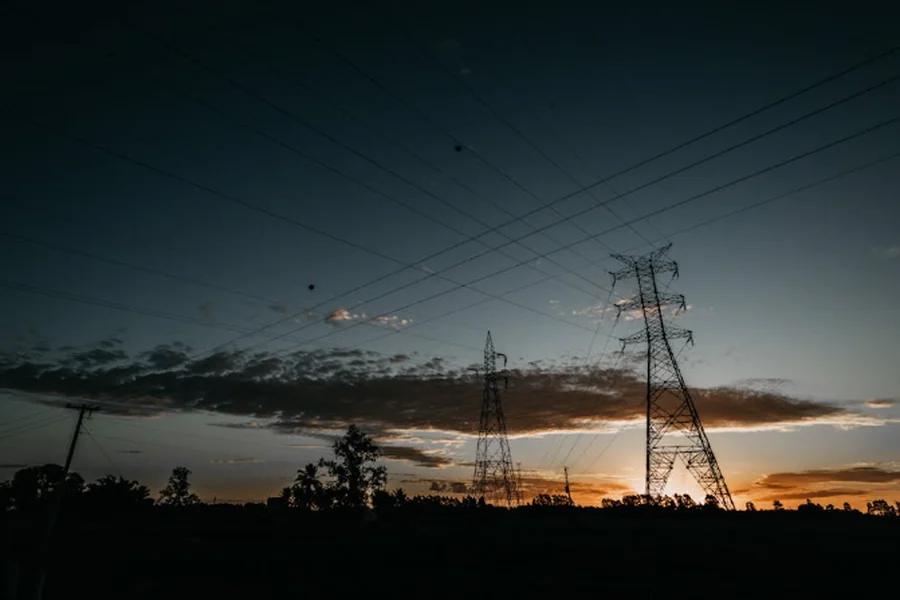
Power lines are pivotal in modern infrastructure, ensuring reliable electricity delivery across vast distances. Engaging in overhead power line construction is a sophisticated endeavour, demanding expertise in engineering, rigorous planning, and meticulous execution. These structures traverse landscapes, overcoming geographical challenges to maintain a seamless flow of power from generation sites to consumers.
Planning and Designing Overhead Power Lines
Before the installation of power lines, precise and thorough planning is essential. Engineers must evaluate geographical terrains, weather patterns, and environmental impacts. They employ sophisticated design software to draft blueprints that optimise efficiency while ensuring safety. Furthermore, community concerns and aesthetics also feed into the design process, balancing the technical necessities with local sensibilities.
Regulatory Considerations
Power line projects are heavily regulated. Authorities impose stringent guidelines to minimise environmental impacts, protect wildlife, and prevent unnecessary disruptions to communities. This involves obtaining various permits, each contingent on compliance with environmental protection laws, heritage conservation, and safety standards. The planning phase often involves negotiations with stakeholders to ensure these structures align with both legal obligations and public expectations.
Choosing the Right Materials
Selecting appropriate materials for power lines is critical to withstand environmental stressors. Conductors, typically made of aluminium due to its balance of conductivity and cost, play a vital role in energy transmission. Other materials, such as steel and insulators, are chosen to enhance durability and minimise energy loss. The choice of materials is influenced by climate conditions and the required voltage capacity of the lines.
Surveying and Land Preparation
A major step in the construction process is surveying the designated route. Detailed land surveys help identify potential obstacles, topographical challenges, and existing infrastructure that may influence construction efforts. Crews then prepare the land, which can involve clearing vegetation, grading surfaces, and erecting scaffolds. Each step is critical to ensure the stability and safety of the power line installation.
Tower and Pole Installation
Poles and towers are the backbone of overhead power lines, supporting conductors high above the ground. The choice between wood, steel, or concrete poles is determined by the line’s size, the voltage it will carry, and external conditions like wind velocity. Towers can reach heights of over 30 metres and are carefully assembled to withstand the elements. Groundwork involves securing deep foundations and providing stability against environmental forces such as wind and seismic activity.
Conductor Installation
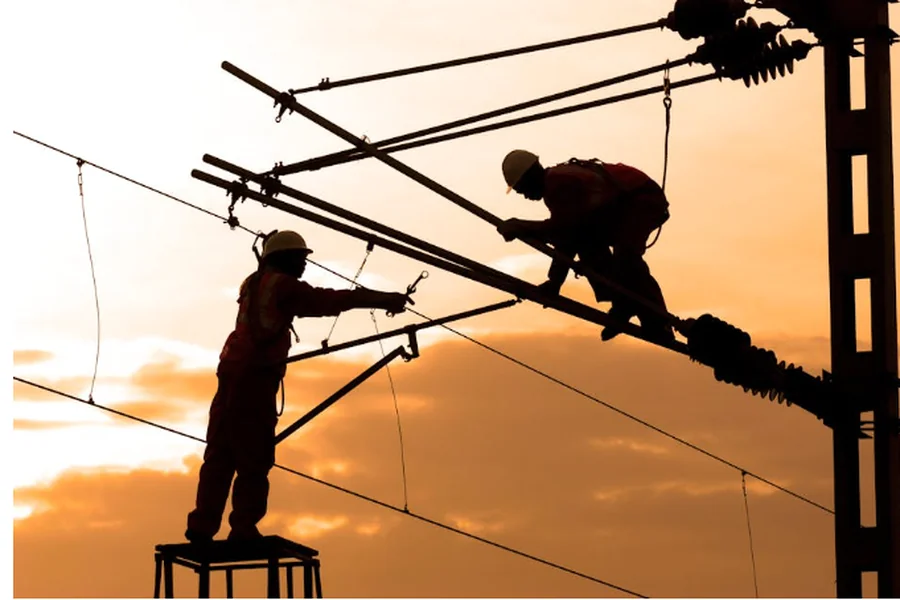
Once the support structures are in place, the next step is the installation of conductors. This phase requires precision to ensure safety and efficiency. Workers often use helicopters or cranes for stringing lines over extensive spans, a process that must account for the tension and sag of the wires. Adequate spacing between conductors is essential to prevent electrical arcs and ensure unhindered power transmission.
Ensuring System Reliability and Safety
Safety is paramount in every stage of overhead power line construction. Rigorous testing of materials and structural components precedes installation, and throughout the process, adherence to safety protocols is critical to protecting workers and the public. The use of personal protective equipment, regular safety drills, and compliance with industry standards are indispensable practices in this regard.
Maintenance and Monitoring
After installation, ongoing maintenance ensures the longevity and reliability of power lines. Monitoring systems are employed to detect interruptions or faults. Regular inspections help to uncover wear and tear, making it possible to address potential issues before they escalate into major failures. Maintenance activities also include the trimming of trees to prevent interference and protect the integrity of the lines.
Environmental and social impacts
The environmental impact of power lines remains a significant consideration in their construction. It’s imperative to conduct thorough environmental assessments to mitigate impacts on ecosystems and biodiversity. In terms of social aspects, engaging with local communities and addressing their concerns regarding the visual and physical impact of power lines is crucial to gaining public support.
Innovative Trends in Power Line Construction
Technological advancements continue to shape the future of overhead power line construction. Innovations such as drone technology for inspections and the use of composite materials for enhanced durability are increasingly common. These advancements contribute to more efficient construction processes, reduced environmental impact, and improved system reliability.
In the realm of renewable energy, the integration of power grids with renewable sources like wind and solar power is becoming a focal point. This shift requires adjustments in power line infrastructure to accommodate fluctuating energy outputs and to enhance grid resilience. The rise of smart grid technologies, which facilitate real-time data exchange and management, represents a significant leap forward in the evolution of power transmission systems.
By understanding these intricacies, one gains insight into the complex yet fascinating world of power transmission infrastructure, underscoring the skill and dedication necessary to keep the wheels of modern society spinning effectively.
